

Choosing the right marketing tools matters more than ever. Brands now spend up to 9.4% of their annual revenue on marketing, and a growing share of that budget goes into mobile channels.
That’s not surprising. People live on their phones, and messaging apps are where real conversations happen. If you’re serious about reaching customers where they already are, WhatsApp is hard to ignore.
WhatsApp’s Business Platform makes it possible to send personalized messages straight to your audience, at scale. But there’s a catch. The WhatsApp Business API doesn’t come with a ready-made interface, and not every provider offers the same features, pricing, or level of control.
Picking the wrong tool can slow you down or cost more than it should. In this guide, we will break down what actually matters when choosing a WhatsApp marketing tool, so you can make a decision that fits your business, not just the hype.
What Is a WhatsApp Marketing Tool?
A WhatsApp marketing tool is the software that lets you actually use the WhatsApp Business API for marketing and customer communication. Think of it as the missing layer between your business and WhatsApp.
The API itself doesn’t come with a dashboard or buttons to click. A marketing tool gives you that front-end so you can send campaigns, reply to customers, and manage conversations properly.
Beyond sending messages, these tools usually do much more. Most come with a shared inbox where your team can see and reply to incoming chats in one place. Many also include automation features, like chatbot builders and workflows, so you can handle common questions, follow-ups, and updates without replying manually every time.
Good WhatsApp marketing tools also plug into the rest of your setup. CRM systems, ecommerce platforms, payment tools, and analytics can all connect, helping you keep data in sync and run smarter campaigns.
In short, a WhatsApp marketing tool turns the API into something practical, usable, and powerful for real-world marketing.
How to Choose the Right WhatsApp Marketing Tool for Your Needs
Once you understand what a WhatsApp marketing tool does, the real work begins. Not every platform is built for the same purpose, and choosing the wrong one can slow you down or lock you into features you’ll never use.
The goal is simple: find a tool that matches how you plan to use WhatsApp, not how someone else does.
Here’s how to narrow it down properly.
Start with What You’re Trying to Achieve
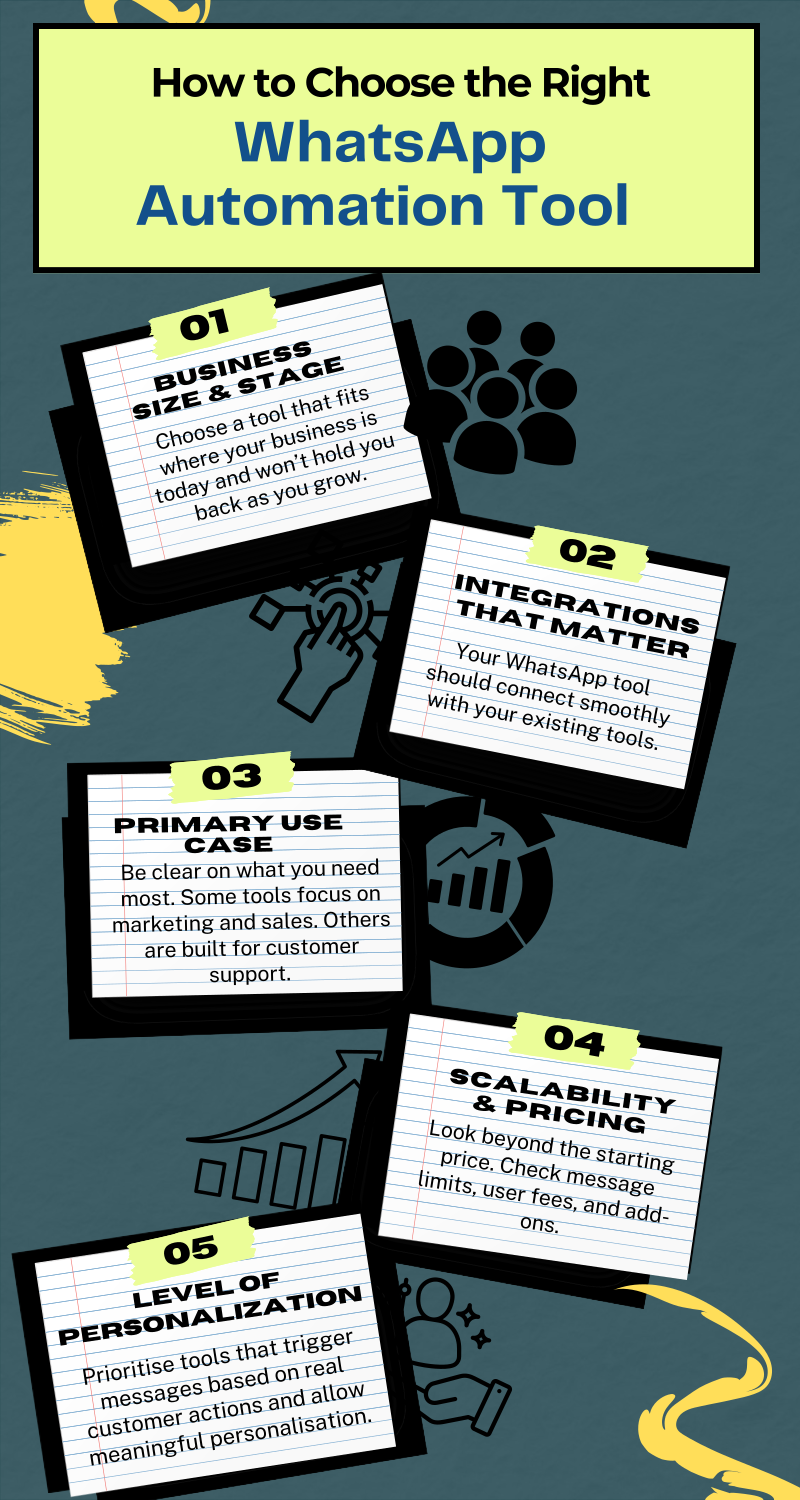
Before comparing tools, get clear on your goals. Are you focused on high-volume promotions? Customer support? Lead generation? Or ongoing conversations with existing customers?
If your priority is sending large campaigns across regions, you’ll need a tool that handles bulk messaging well. If you want two-way conversations, follow-ups, and relationship building, then a shared inbox and conversation management become more important. Your use case should dictate the features, not the other way around.
Make Sure It Plays Well with Your Existing Tools
WhatsApp rarely works alone. It usually sits alongside your CRM, ecommerce store, support tools, or internal workflows.
A strong WhatsApp marketing platform should integrate smoothly with tools like Shopify, WooCommerce, Google Workspace, or your CRM. These integrations save time, reduce manual work, and give you better visibility into each customer. If data has to be copied manually, that’s a red flag.
Look Closely at Automation Capabilities
Fast replies matter. Customers expect responses even outside business hours, and automation helps you meet that expectation without burning out your team.
Look for tools that let you build chatbot flows, automated replies, and drip sequences easily. The best platforms allow automation based on real actions, not just basic timers. This keeps conversations helpful and relevant, even when no one is online.
Check How Easily You Can Send Bulk Messages
At its core, a WhatsApp marketing tool should make it easy to send messages to many people at once. Bulk messaging should feel simple, not technical.
Also, think long-term. As your business grows, the platform shouldn’t restrict your ability to send campaigns or force you to switch tools later. Ease of setup matters too. If campaigns require technical skills just to launch, that friction adds up fast.
Be Honest About Budget and Growth
Cost matters, but it’s not just about the cheapest option. Some tools are built for enterprises and come with advanced features you may never need. Others are designed for smaller teams and grow with you gradually.
Look at the full picture. Monthly fees. User limits. Message costs. Add-ons. Knowing your ongoing overhead helps you calculate ROI, cost per acquisition, and realistic growth targets. The right tool fits your budget today and still makes sense six or twelve months down the line.
So, choosing a WhatsApp marketing tool isn’t about finding the most popular platform. It’s about finding the one that supports your goals, fits your workflow, and scales at the same pace as your business.
Some of the Most Popular WhatsApp Marketing Tools in the Market
1. DMLY
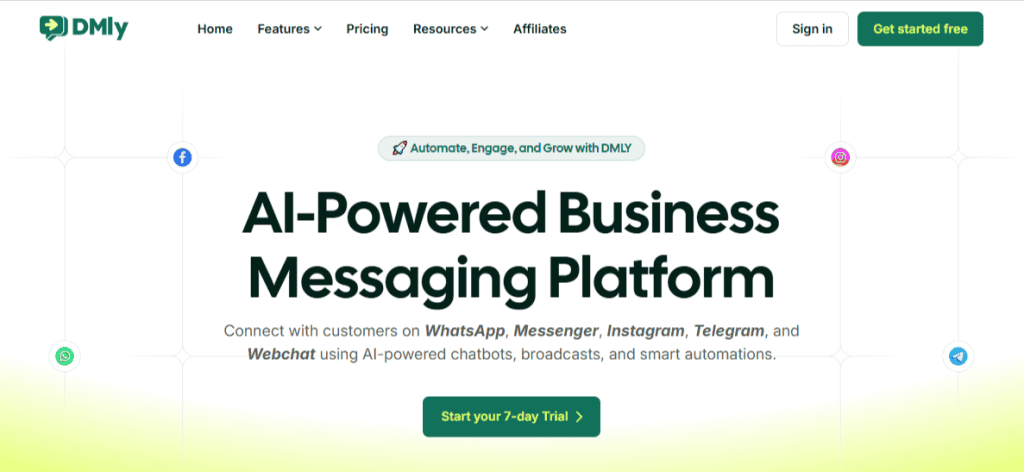
DMLY is built for brands that want WhatsApp to do more than just receive messages. It turns WhatsApp into a proper marketing, sales, and support channel, while also connecting it with Instagram, Messenger, Telegram, and web chat in one system.
What stands out with DMLY is how complete the experience feels. You get a unified inbox where every conversation lives in one place, so nothing gets missed.
On top of that, AI agents handle FAQs, product questions, and lead qualification around the clock, then hand things over to your team when a human response is needed. It feels natural, not forced.
DMLY also makes WhatsApp campaigns easier to manage. You can plan and send broadcasts using the official WhatsApp Business API, segment your audience, retarget contacts, and track performance without jumping between tools. Automation flows are flexible enough to support real customer journeys, not just basic auto-replies.
Add in deep integrations with e-commerce platforms, CRMs, and workflow tools, plus support for multiple workspaces, and DMLY becomes a strong choice for businesses that want to scale without losing control.
If you’re looking for a WhatsApp marketing tool that balances automation, collaboration, and growth, DMLY sets a high bar.
2. WATI
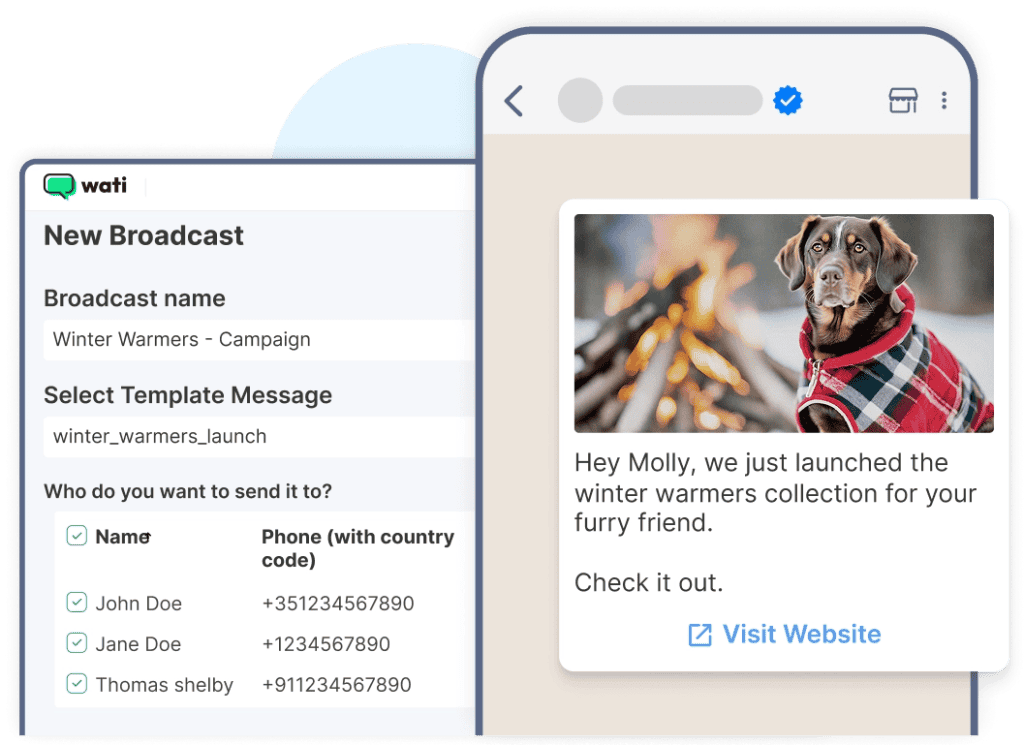
WATI is a popular choice for teams that want to organize WhatsApp conversations without overcomplicating things. It’s built around a shared team inbox, making it easy for multiple agents to reply from the same WhatsApp number while keeping full conversation context.
WATI shines when it comes to day-to-day productivity. You can set up quick replies, basic chatbot flows, and simple automations to handle common questions, lead capture, and appointment bookings.
The drag-and-drop flow builder is friendly for non-technical teams, and integrations with tools like Zoho CRM and Google Sheets help keep customer data in sync.
For small and mid-sized businesses, WATI offers a straightforward way to manage WhatsApp at scale. It’s especially useful if your main goal is faster replies and better team coordination, rather than complex multi-channel campaigns.
3. Twilio

Twilio takes a very different approach. Instead of giving you a ready-made dashboard, Twilio provides direct access to the WhatsApp Business API so you can build your own messaging workflows inside your apps and systems.
This level of control is what makes Twilio powerful. Developers can design custom automation, trigger messages from backend events, send rich media, and scale messaging globally without worrying about infrastructure or compliance. The sandbox environment makes it easy to test everything before going live.
That said, Twilio is best suited for teams with technical resources. There’s no built-in inbox, no marketing dashboard, and no plug-and-play campaigns. But if you want complete flexibility and are building a custom WhatsApp solution from the ground up, Twilio gives you the tools to do exactly that.
4. Respond.io
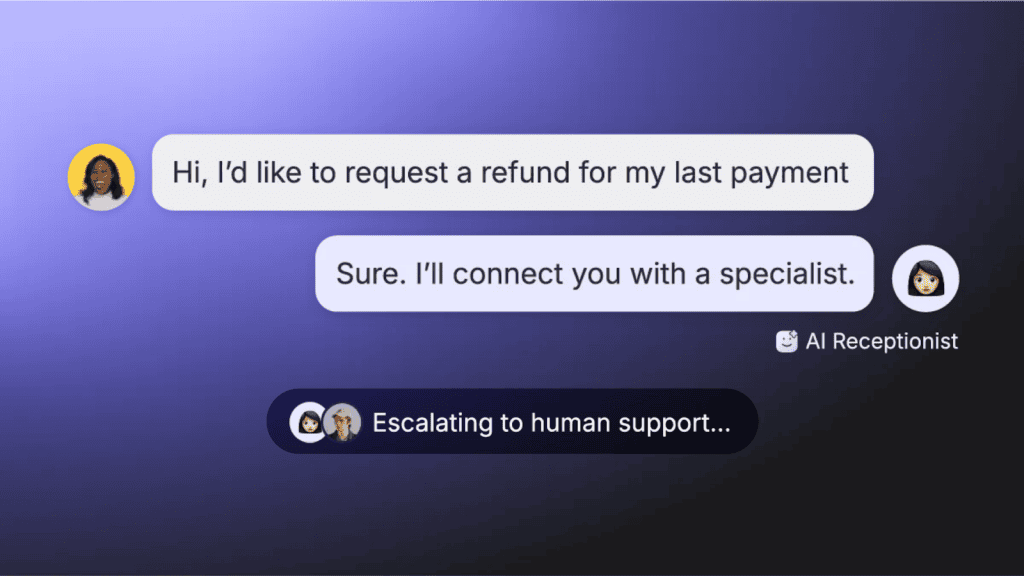
Respond.io is built for teams that handle a high volume of customer conversations across multiple channels. It brings WhatsApp together with Instagram, Messenger, Telegram, and even email into one structured inbox, making it easier for large teams to stay organized.
What Respond.io does well is conversation control. Advanced routing rules, chat assignments, and escalation workflows help support teams respond efficiently without stepping on each other’s toes. It’s especially useful when different teams handle different types of enquiries and clear ownership matters.
That said, Respond.io leans more toward customer support than marketing. If your main goal is running WhatsApp campaigns or driving commerce directly through chats, it can feel heavier than necessary.
For businesses focused on managing conversations at scale rather than selling through WhatsApp, it’s a solid option.
5. ManyChat
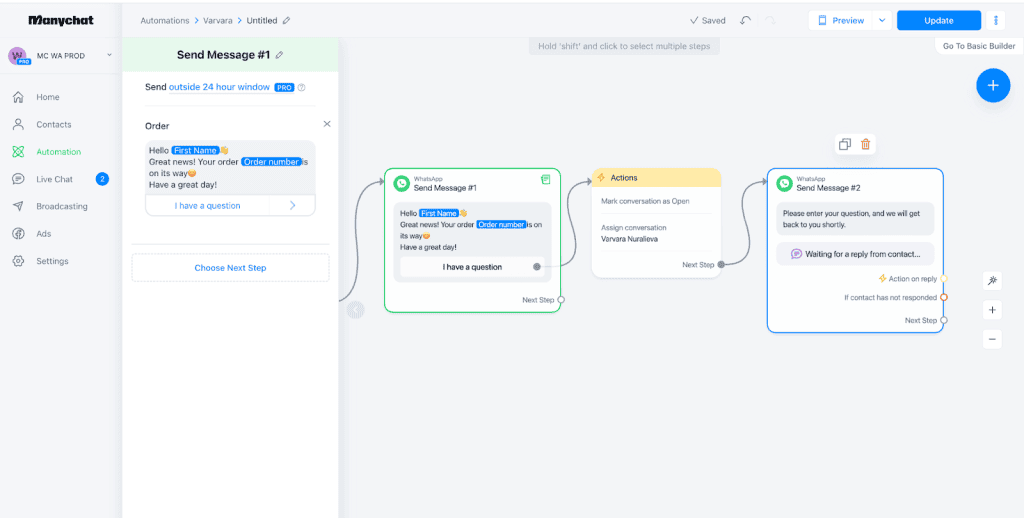
ManyChat is best known for Instagram automation, with WhatsApp added as a secondary channel. It’s widely used by creators, small businesses, and social media marketers who want quick wins without technical complexity.
The visual flow builder makes it easy to create simple automations for welcome messages, FAQs, and basic broadcasts. Instagram comment and DM automation is where ManyChat really shines, and adding WhatsApp support can be useful if you’re already running campaigns on Instagram.
Where ManyChat falls short is depth on WhatsApp. Features are basic, there’s no native commerce support, and automation is limited compared to WhatsApp-first platforms. It works well for lightweight use cases, but it’s not designed for businesses that rely on WhatsApp as a primary sales or support channel.
Final Note
Choosing a WhatsApp marketing tool in 2026 isn’t about chasing features. It’s about finding a platform that fits how you communicate, how your team works, and how your business plans to grow. The right tool makes messaging feel effortless. The wrong one adds friction, cost, and complexity.
If WhatsApp plays a serious role in your marketing or customer experience, it’s worth choosing a platform that goes beyond basic messaging. DMLY stands out by combining WhatsApp marketing, automation, AI, and team collaboration in one system, making it easier to scale conversations without losing the human touch.
FAQs
What is WhatsApp marketing?
WhatsApp marketing is the use of WhatsApp to communicate with customers for promotions, updates, support, and sales conversations. It includes sending personalized messages, running campaigns, automating replies, and engaging customers directly in their inbox.
Is WhatsApp marketing legal?
Yes, WhatsApp marketing is legal when done correctly. Businesses must use the official WhatsApp Business Platform, get clear customer opt-ins, and follow Meta’s messaging policies. As long as you respect consent and compliance rules, WhatsApp marketing is safe to use.
Which tool is best for WhatsApp marketing?
The best tool depends on your goals. Some platforms focus on simple inbox management, others on automation or developer control. For businesses that want marketing, automation, AI, and team collaboration in one place, DMLY is one of the strongest options available in 2026.
What are the most important features to consider when choosing a WhatsApp marketing tool?
Focus on features that match your real needs. A shared inbox, automation and chatbots, bulk messaging, integrations with your CRM or ecommerce platform, ease of use, and transparent pricing are all important. Most importantly, the tool should scale as your business grows without becoming complex or expensive too quickly.
Writing about WhatsApp automation, bookings and growth for local business.
Turn WhatsApp into your busiest channel.
Start free and run message, bookings, payments and reviews in one place.
