If you’re still sending one-off WhatsApp messages and hoping for results, you’re leaving a lot of conversions on the table. Customers rarely take action after a single message. They need reminders, context, and the right nudge at the right time. And that’s exactly where WhatsApp drip campaigns come in.
Instead of manually following up with every lead or customer, drip campaigns let you automate a sequence of messages that guide people from interest to action.
In this guide, we’ll show you all that you need to know about WhatsApp drip marketing and some WhatsApp drip campaign examples you can use to increase conversions.
First, What Is a WhatsApp Drip Campaign?
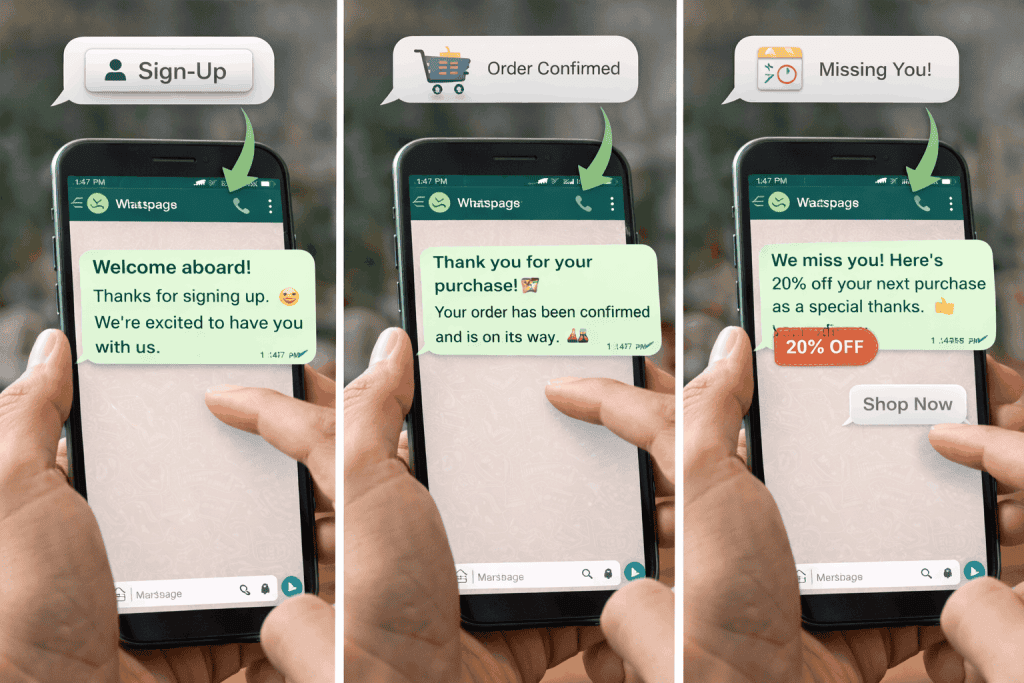
A WhatsApp drip campaign is a sequence of automated messages sent to a customer over a specific period of time, based on a trigger or action. Instead of sending a single message and waiting for a response, you “drip” multiple messages gradually, each one designed to move the customer closer to a desired action.
For example, imagine a customer adds a product to their cart but doesn’t complete the purchase. Instead of sending just one reminder, a drip campaign might follow up with a reminder after a few hours, a product benefit message the next day, and a limited-time offer after that.
Each message builds on the previous one.
What makes drip campaigns powerful is that they are timed, intentional, and automated. They remove the need for constant manual follow-ups while ensuring your customers receive consistent communication.
This not only improves engagement but also increases the chances of conversion, because you’re meeting customers at different points in their decision-making process rather than relying on a single interaction.
How WhatsApp Drip Campaigns Work
At a basic level, a WhatsApp drip campaign runs on a simple idea: send the right message at the right time based on a customer’s action or stage in the journey. But behind that simplicity is a structured system that ensures everything runs smoothly without manual effort.
Trigger
It all starts with a trigger. This is the event that kicks off the drip campaign. It could be something like a new lead signing up, a customer abandoning their cart, booking an appointment, or even going inactive for a period of time.
Once that trigger happens, the system automatically enrolls the user into a pre-defined message sequence.
The message flow
Next comes the message flow itself. Instead of sending everything at once, messages are spaced out over time. For example, a campaign might send a welcome message immediately, a follow-up after 24 hours, and a reminder or offer after 2-3 days.
This timing is important because it keeps the conversation natural and prevents overwhelming the customer.
Personalization
Another key part is personalization. Modern WhatsApp drip campaigns don’t send generic messages. They use customer data, such as names, past interactions, or purchase history, to make messages feel relevant and tailored. This makes the communication feel more like a conversation than a broadcast.
Behind the scenes, most of this is powered by the WhatsApp Business API. This allows businesses to create approved message templates, automate sequences, and integrate WhatsApp with their CRM or customer database.
With the right setup, messages can be triggered not just by time, but also by behavior like clicking a link, making a purchase, or ignoring a previous message.
Why WhatsApp Drip Campaigns Matter for Modern Businesses
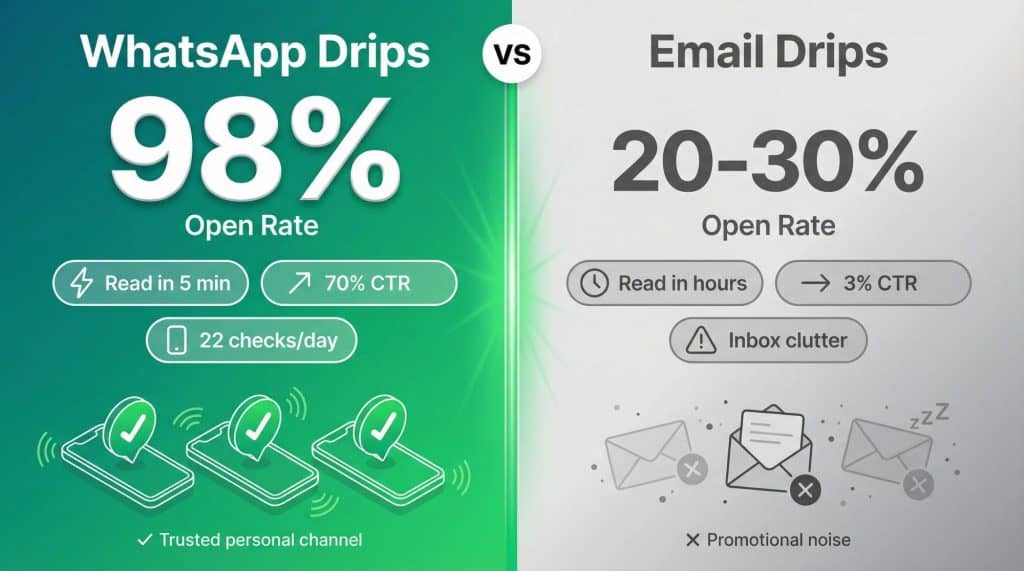
When used properly, WhatsApp drip campaigns don’t just improve communication; they transform how businesses convert and retain customers. Here’s why they’re so powerful:
1. Higher Engagement That Actually Leads Somewhere
WhatsApp messages are already more likely to be opened than emails. But drip campaigns take this further by keeping the conversation going. Instead of a single message that gets ignored, you stay present in the customer’s mind with well-timed follow-ups that gently move them toward action.
2. Consistent Follow-Ups Without the Stress
Let’s be honest; most businesses lose leads because they don’t follow up enough. Not intentionally, just because things get busy. Drip campaigns fix that. Every lead gets the right sequence of messages automatically, so no opportunity slips through the cracks.
3. Better Conversions Through Timing, Not Pressure
Customers rarely convert instantly. They need time to think, compare, and decide. Drip campaigns respect that process. By spreading messages over time, you create a natural path to conversion instead of forcing a decision.
4. Saves Time While Scaling Your Efforts
Manually messaging hundreds of customers is not sustainable. With drip campaigns, you set everything up once and let it run. Your team spends less time on repetitive tasks and more time on meaningful conversations that actually close deals.
5. A More Structured Customer Journey
Without a system, customer communication can feel random. Drip campaigns bring structure. You control what message comes next, when it’s sent, and how the conversation progresses. This creates a smoother and more professional experience for your customers.
6. Stronger Relationships Through Relevance
Because drip campaigns can be personalized, your messages feel less like marketing and more like a conversation. When customers receive messages that match their needs or actions, they’re more likely to trust your brand and stay engaged.
Types of WhatsApp Drip Campaigns
Not all drip campaigns are built the same. Each type serves a specific purpose depending on where your customer is in their journey. Understanding these types helps you create campaigns that actually work.
- Lead Nurturing Campaigns
These are designed for people who have shown interest but aren’t ready to buy yet. Instead of pushing for a sale immediately, you guide them with helpful information, product insights, and gentle reminders. Over time, this builds trust and increases the chances of conversion. - Sales Conversion Campaigns
This type focuses on customers who are already close to making a decision. Maybe they asked a question, checked pricing, or added a product to their cart. The goal here is to remove doubts and give them that final push to complete the purchase. - Customer Onboarding Campaigns
First impressions matter. Onboarding drip campaigns help new customers understand your product or service quickly. Instead of leaving them confused, you guide them step by step, making it easier for them to see value and stick around. - Re-Engagement Campaigns
Every business has inactive customers. Re-engagement campaigns are designed to bring them back. A simple check-in, a new offer, or a reminder of what they’re missing can be enough to restart the conversation. - Post-Purchase Campaigns
The relationship doesn’t end after a sale. Post-purchase drip campaigns help you stay connected with customers. You can share tips, request feedback, or introduce related products, turning one-time buyers into repeat customers. - Support and Experience Campaigns
These campaigns focus on improving the overall customer experience. From appointment reminders to order updates and service follow-ups, they help keep customers informed and reduce uncertainty, which builds trust over time.
Each of these campaign types plays a role in moving customers forward. When combined, they create a complete system that doesn’t just communicate, but converts.
10 Powerful WhatsApp Drip Campaign Examples
#1: Welcome & Lead Nurturing Drip Campaign
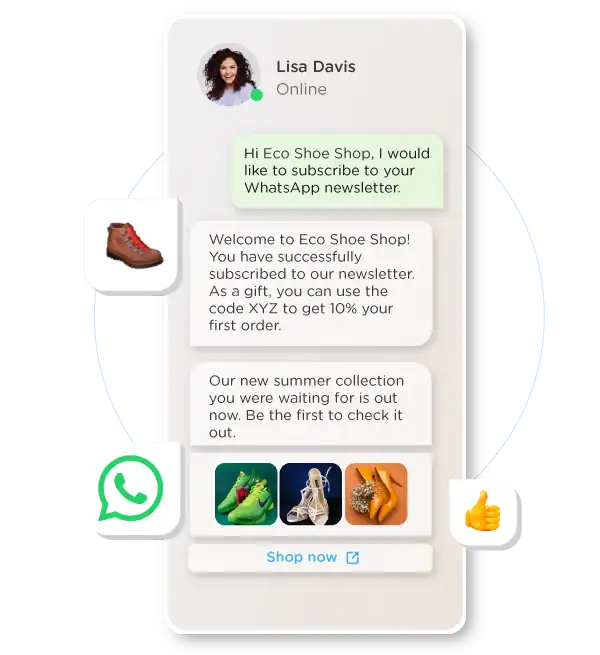
Use case: Turning new leads into paying customers
Trigger: A user signs up, fills a form, or sends their first message
This is often the first impression your business makes on a potential customer, and it matters more than most people think. Instead of sending a single welcome message and going silent, a drip campaign helps you gradually introduce your brand and build trust.
Example sequence:
Message 1 (Instant – Welcome):
“Hey Julie, welcome to Maggi Koshstudio! We’re glad to have you here. What are you looking for today?”
Message 2 (After 1 day – Introduction):
“Hi Julie, just wanted to quickly show you how we can help. We specialize in [key benefit], making it easier for you to [desired outcome].”
Message 3 (After 2 days – Value/Offer):
“Still exploring? Here’s something to help you get started – enjoy 10% off your first order. Let us know if you need any help!”
Why it works:
This campaign doesn’t rush the customer. It starts with a warm welcome, then gradually introduces value, and finally adds a small incentive. By the time the offer comes in, the customer already understands what you do, making them more likely to convert.
#2: Abandoned Cart Recovery Drip Campaign
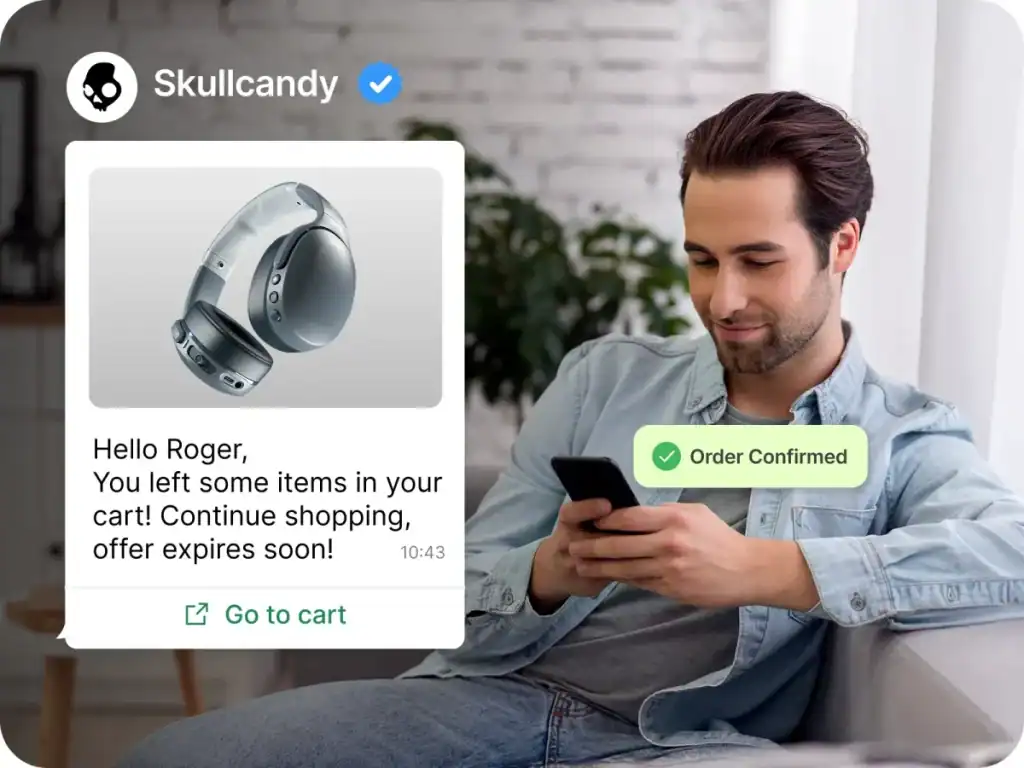
Use case: Recovering lost sales from users who didn’t complete checkout
Trigger: A customer adds items to cart but doesn’t complete purchase
Cart abandonment is one of the biggest missed opportunities for most businesses. A well-timed WhatsApp drip campaign can bring those customers back without feeling pushy.
Example sequence:
Message 1 (After 1–2 hours – Reminder):
“Hey {name}, you left something behind 👀 Your items are still in your cart. Want us to help you complete your order?”
Message 2 (After 24 hours – Social proof):
“Hi {name}, just a heads up – your selected items are popular right now ⭐ Many customers are loving them. Let us know if you have any questions!”
Message 3 (After 48 hours – Urgency/Offer):
“Last call, {name}! Your cart items may go out of stock soon. Use code SAVE10 to grab them now.”
Why it works:
This sequence taps into three powerful triggers: reminder, trust, and urgency. Instead of pushing a sale immediately, it gently brings the customer back, reassures them, and then adds a reason to act quickly. The spacing also ensures the messages don’t feel overwhelming.
#3: First-Time Purchase Conversion Drip Campaign
Use case: Converting interested leads into first-time buyers
Trigger: A new subscriber or lead who hasn’t made a purchase
Not every lead is ready to buy immediately. Some just need a bit more clarity, confidence, or motivation. This drip campaign is designed to guide them toward that first purchase.
Example sequence:
Message 1 (Instant – Product introduction):
“Hey {name}, welcome again! 👋 Here’s what makes our products stand out: [key benefit]. Let us know if you’d like recommendations.”
Message 2 (After 1 day – Benefits):
“Hi {name}, just a quick one – our customers love how [product] helps them [specific outcome]. It might be a great fit for you too.”
Message 3 (After 2–3 days – Incentive):
“Thinking of trying us out? Here’s 10% off your first order 🎉 Use code FIRST10 at checkout.”
Why it works:
This sequence removes hesitation step by step. First, it introduces the product, then builds confidence through benefits, and finally gives a small push with an incentive, making the decision easier.
4. Product Recommendation Drip Campaign
Use case: Driving conversions through personalized product suggestions
Trigger: User browsing behavior, past purchases, or expressed interest
Customers are more likely to buy when they see products that match their interests. This campaign uses personalization to make recommendations feel relevant, not random.
Example sequence:
Message 1 (Instant – Suggestion):
“Hey {name}, based on what you were checking out, we think you’ll love these 👇 [product links]”
Message 2 (After 1 day – Social proof):
“Hi {name}, these products are among our best-sellers ⭐ Customers love them for [reason]. Want help choosing the right one?”
Message 3 (After 2 days – Gentle nudge):
“Still deciding? Let us know what you’re looking for – we’d be happy to recommend the perfect option for you 😊”
Why it works:
This campaign feels helpful rather than salesy. By focusing on relevance and assistance, it encourages engagement and makes it easier for customers to move forward.
5. Appointment Reminder & Confirmation Drip Campaign
Use case: Reducing no-shows and keeping customers informed
Trigger: A customer books an appointment or service
Missed appointments can be costly. This drip campaign ensures customers stay informed and prepared without needing manual follow-ups.
Example sequence:
Message 1 (Instant – Confirmation):
“Hi {name}, your appointment with us is confirmed for {date} at {time}. We look forward to seeing you!”
Message 2 (24 hours before – Reminder):
“Just a quick reminder, {name} 😊 You have an appointment tomorrow at {time}. Let us know if you need to reschedule.”
Message 3 (2–3 hours before – Final nudge):
“Hey {name}, we’ll be expecting you shortly at {time}. Safe travels!”
Why it works:
It keeps communication clear and timely. Customers feel guided and less likely to forget, while your business reduces no-shows and last-minute cancellations.
#6: Onboarding Drip Campaign
Use case: Helping new customers get started smoothly
Trigger: A new customer signs up or makes their first purchase
A strong onboarding experience can make the difference between a one-time user and a loyal customer. This campaign helps users quickly understand how to get value.
Example sequence:
Message 1 (Instant – Welcome):
“Welcome onboard, {name}! 🎉 We’re excited to have you. Let’s help you get started.”
Message 2 (After 1 day – Guidance):
“Hi {name}, here’s a quick tip to get the most out of your experience: [tip or feature]. Let us know if you need help!”
Message 3 (After 3 days – Support):
“Hey {name}, how’s it going so far? If you have any questions or need assistance, we’re here for you.”
Why it works:
Instead of leaving customers to figure things out on their own, this campaign provides timely guidance. It builds confidence, reduces confusion, and increases the chances of long-term retention.
#7: Re-Engagement Drip Campaign
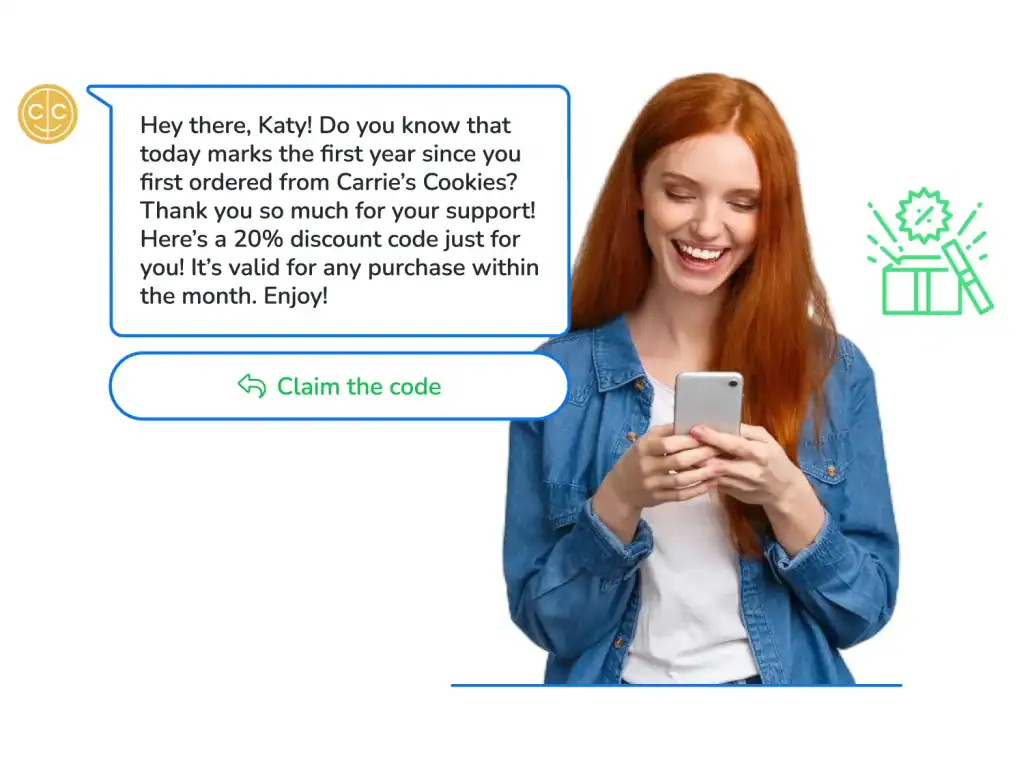
Use case: Bringing inactive customers back
Trigger: A user hasn’t interacted or purchased in a while
Every business has customers who go quiet. Instead of letting them drift away, a re-engagement drip campaign gives you a chance to restart the conversation and bring them back.
Example sequence:
Message 1 (After inactivity period – Check-in):
“Hey {name}, it’s been a while 😊 We’ve missed you! Is there anything you’re currently looking for?”
Message 2 (After 2 days – Value reminder):
“Hi {name}, just a quick reminder – our customers love us for [key benefit]. Thought you might want to check it out again.”
Message 3 (After 3–4 days – Incentive):
“We’d love to have you back, {name}! Here’s a special 15% off just for you 🎁”
Why it works:
It starts softly, without pressure, then gradually adds value and a reason to return. This makes it feel like a friendly nudge rather than a sales push.
#8: Post-Purchase Follow-Up Drip Campaign
Use case: Building relationships after a sale and increasing repeat purchases
Trigger: A customer completes a purchase
What you do after a sale matters just as much as what you do before it. This drip campaign helps you stay connected and create more opportunities.
Example sequence:
Message 1 (Instant – Thank you):
“Thank you for your order, {name}! 🙌 We’re excited for you to receive it.”
Message 2 (After delivery – Usage tip):
“Hey {name}, your order should be with you now. Here’s a quick tip to get the best out of it: [tip].”
Message 3 (After a few days – Upsell/cross-sell):
“Loved your recent purchase? You might also like these 👇 [related products]”
Why it works:
It keeps the relationship alive beyond the transaction. By offering value and relevant suggestions, it increases the chances of repeat purchases.
#9: Feedback & Review Collection Drip Campaign
Use case: Gathering customer feedback and building social proof
Trigger: After product delivery or service completion
Customer feedback is valuable – not just for improving your business, but also for building trust with future customers.
Example sequence:
Message 1 (After delivery/service – Feedback request):
“Hi {name}, how was your experience with us? We’d love to hear your thoughts 😊”
Message 2 (After 2 days – Reminder):
“Just checking in, {name} – your feedback means a lot to us. Got a minute to share your experience?”
Message 3 (Optional – Review link):
“If you enjoyed your experience, we’d really appreciate a quick review here 👉 {link}”
Why it works:
It asks at the right time – when the experience is still fresh. A gentle follow-up increases response rates without feeling intrusive.
#10: Limited-Time Offer / Flash Sale Drip Campaign
Use case: Driving urgency and quick conversions
Trigger: Launch of a promotion or time-sensitive campaign
When you want fast results, nothing works quite like urgency. This drip campaign is designed to create momentum around a limited-time offer.
Example sequence:
Message 1 (Campaign launch – Announcement):
“Hey {name}, our flash sale is LIVE! 🔥 Enjoy up to 30% off on selected items.”
Message 2 (Mid-campaign – Reminder):
“Don’t miss out, {name}! Our sale is still on, and items are selling fast.”
Message 3 (Final hours – Last chance):
“Last few hours left ⏳ Grab your favorites before the sale ends!”
Why it works:
It builds urgency step by step. The first message creates awareness, the second reinforces it, and the final one pushes action, helping you maximize conversions within a short window.
Best Practices for High-Converting WhatsApp Drip Campaigns
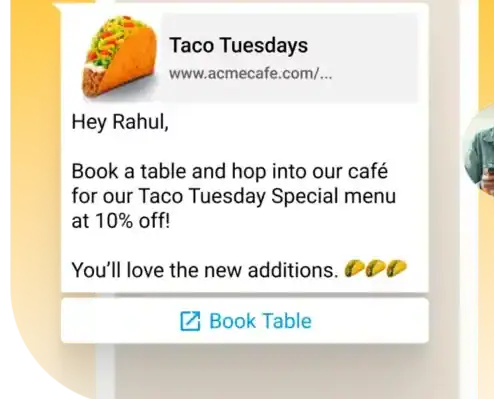
Now that we’ve seen some WhatsApp drip campaign examples and how they can be used, we need to let you know how to get most from them. Because creating a WhatsApp drip campaign is one thing. Making it actually convert is another.
And the difference usually comes down to how well you plan your timing, messaging, and overall experience. Here are some best practices to help you get it right from the start.
Start with a Clear Goal for Every Campaign
Before you write a single message, know what you want the campaign to achieve. Is it to convert leads, recover abandoned carts, or re-engage inactive users? A clear goal helps you design messages that move customers in the right direction instead of sending random follow-ups.
Get Your Timing Right
Timing can make or break your campaign. Messages sent too close together can feel overwhelming, while long gaps can cause customers to lose interest. Think about the natural decision-making process of your customer and space your messages accordingly.
Keep Your Messages Short and Conversational
WhatsApp is a chat platform, not an email inbox. Long, formal messages often get ignored. S, write like you’re having a real conversation – clear, friendly, and straight to the point. This makes your messages easier to read and more likely to get a response.
Personalize Where It Matters
A simple “Hi {name}” is a good start, but real personalization goes deeper. Reference what the customer did, such as browsing a product or making a purchase. When messages feel relevant, they naturally perform better.
Don’t Overdo the Number of Messages
More messages don’t always mean better results. Sending too many follow-ups can annoy customers and lead to opt-outs. Focus on sending fewer, well-timed messages that each serve a clear purpose.
Mix Value with Promotion
If every message is trying to sell something, customers will tune out quickly. Balance your campaign by including helpful content, such as like tips, product insights, or useful updates, alongside promotional messages.
Use Clear and Simple Calls to Action
Every message should guide the customer on what to do next. Whether it’s “Complete your order,” “View products,” or “Reply to this message,” keep your call to action simple and easy to follow.
Segment Your Audience for Better Targeting
Not all customers are the same. Group your audience based on behavior, interests, or stage in the journey. This allows you to send more relevant messages instead of using a one-size-fits-all approach.
Test Your Campaign Before Going Live
Small errors in timing, links, or wording can affect results. Always test your drip campaign before launching it. Send messages to yourself or your team to make sure everything works as expected.
Track Performance and Optimize Over Time
The best drip campaigns are not set-and-forget. Pay attention to how customers respond – open rates, replies, conversions – and use that data to improve your sequences. Over time, small tweaks can lead to much better results.
How to Set Up a WhatsApp Drip Campaign (Step-by-Step)
Setting up a WhatsApp drip campaign doesn’t have to be complicated. Once you understand the flow, it becomes a simple process of mapping your customer journey and letting automation do the heavy lifting.
Here’s how to do it:
1. Define Your Goal First
Start by deciding what you want the campaign to achieve. Are you trying to convert new leads, recover abandoned carts, onboard new users, or re-engage inactive customers? Your goal will shape everything –from the messages you write to how you space them out.
2. Identify the Trigger
Every drip campaign begins with a trigger. This is the action that adds a user into the sequence. It could be signing up, making a purchase, abandoning a cart, or even going inactive for a certain period. Choosing the right trigger ensures your messages are sent at the right moment.
3. Map Out the Message Sequence
Next, plan the flow of your messages. Think of it as a conversation, not a broadcast. What should the first message say? What comes next? How do you move the customer closer to your goal with each step? Keep the sequence logical and intentional.
4. Decide the Timing Between Messages
Spacing is key. Sending messages too quickly can feel overwhelming, while waiting too long can cause customers to lose interest. Base your timing on the type of campaign. For example, cart recovery messages may be closer together, while onboarding messages can be spaced out.
5. Write Clear and Engaging Messages
Now it’s time to create your content. Keep messages short, conversational, and focused. Each message should have a purpose – whether it’s to inform, remind, or prompt action. Always include a clear next step for the customer.
6. Set Up Automation Using the Right Tool
To run drip campaigns at scale, you’ll need a platform built for automation. With WhatsApp automation tools like DMly, you can create workflows, set triggers, schedule messages, and manage everything from a single dashboard without manual effort.
7. Test Before Launching
Before going live, run a test. Send the sequence to yourself or your team to check if everything works as expected – timing, message flow, links, and personalization. This helps you catch issues early.
8. Monitor and Improve Over Time
Once your campaign is live, track how it performs. Look at responses, engagement, and conversions. Use this data to tweak your messages, timing, or structure. The best campaigns are always evolving.
How DMly Helps You Build and Scale WhatsApp Drip Campaigns
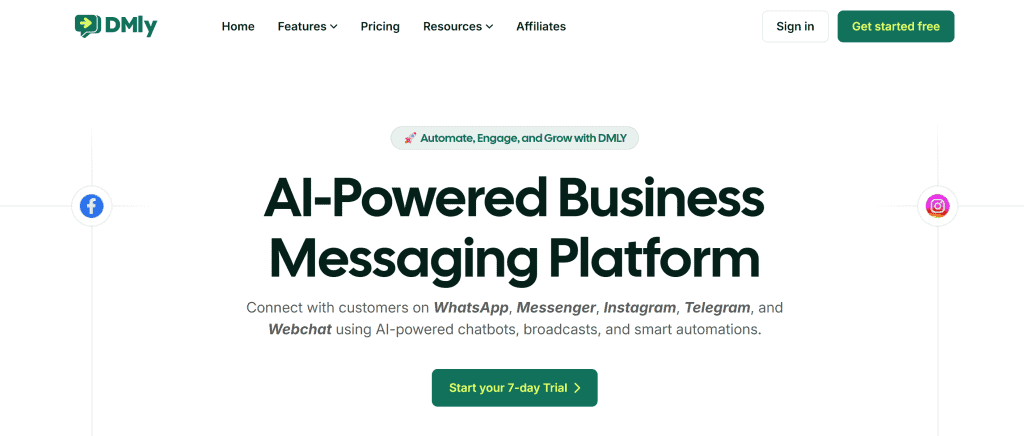
Setting up a WhatsApp drip campaign manually is one thing. Scaling it across hundreds or thousands of customers while keeping it organized and effective is where most businesses struggle. But DMly can help with that.
With DMly, you can build drip campaigns as structured workflows instead of juggling messages one by one. You can define triggers, set delays between messages, and map out complete customer journeys from first interaction to conversion – all from a single dashboard.
The platform also makes audience segmentation much easier. Instead of sending the same sequence to everyone, you can target specific groups based on behavior, interests, or past interactions. This ensures your drip campaigns stay relevant, which is key to getting better results.
Another major advantage is how DMly handles message scheduling and automation together. You’re not just scheduling individual messages – you’re creating entire sequences that run automatically in the background. Once set up, the system takes care of sending the right message at the right time.
Then there’s built-in analytics and performance tracking. With them, you can see how your drip campaigns are performing. You get to see what messages get responses, where users drop off, and what drives conversions. This makes it easier to continuously refine your campaigns and improve results over time.
So, if you don’t already use DMly, sign up now and see how the platform can help your business increase conversion through WhatsApp drip campaigns.
Final Thoughts
WhatsApp drip campaigns are no longer a “nice-to-have”. They’re becoming a core part of how modern businesses communicate and convert.
Instead of relying on one-off messages and hoping for a response, you now have a structured way to guide customers from interest to action.
The real advantage lies in consistency. When your messages are timed well, personalized, and aligned with your customer journey, you create an experience that feels natural – not forced.
Start simple, test what works, and refine your sequences over time. As your business grows, tools like DMly can help you scale these efforts without losing that personal touch.
FAQs
What is a WhatsApp drip campaign?
A WhatsApp drip campaign is a sequence of automated messages sent to customers over time based on a specific trigger, such as signing up, making a purchase, or abandoning a cart.
How many messages should be in a drip campaign?
There’s no fixed number, but most effective campaigns include 3 to 5 messages. The key is to keep each message purposeful and avoid overwhelming the customer.
Are WhatsApp drip campaigns allowed?
Yes, they are allowed when set up through the WhatsApp Business API and sent using approved templates. Businesses must also ensure users have opted in to receive messages.
Can small businesses use WhatsApp drip campaigns?
Yes. While advanced automation typically requires the WhatsApp Business API, even small businesses can start with simple automated flows and scale as they grow.
What’s the best tool for WhatsApp drip campaigns?
Tools built on the WhatsApp Business API, like DMly, are ideal because they offer automation, scheduling, segmentation, and analytics in one place.
How do I measure the success of a drip campaign?
You can track performance using metrics like message delivery rates, response rates, click-through rates, and conversions. These insights help you optimize your campaigns over time.