
Gone are the days when brands could get away with answering customers wherever and whenever it was convenient. Things have changed a lot now.
In this era, customers now expect fast, continuous conversations across various platforms – whether it’s WhatsApp, Instagram, Messenger, Telegram, or live chat. They don’t care which channel they started on. They just want the conversation to make sense.
This is why unified messaging matters. When conversations are scattered across tools, replies slow down, context gets lost, and customers repeat themselves. Teams feel the pressure too, switching tabs, missing messages, and guessing who replied last.
A unified messaging strategy fixes that by bringing every conversation into one place and treating messaging as a core business system, not an afterthought.
In this guide, we’ll break down what unified messaging really means and how a single, connected approach can mean a lot to businesses in 2026.
A Closer Look at What a Unified Messaging Strategy Is
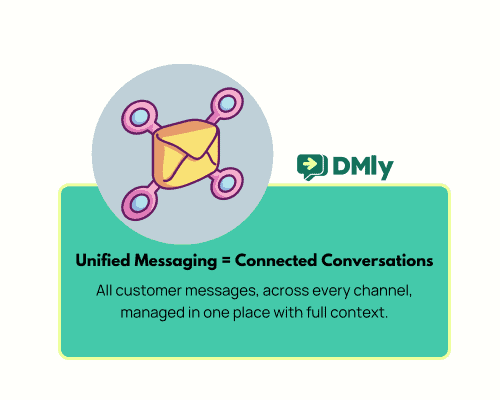
A unified messaging strategy simply means managing all your customer conversations in one place, instead of juggling separate tools for each channel.
Whether a customer messages you on WhatsApp, Instagram, Messenger, Telegram, or your website chat, everything flows into a single inbox with full context.
But you need to know this is not the same as multi-channel messaging. Multi-channel is being present on different platforms. Unified messaging means those platforms actually talk to each other. Think one conversation history. One customer view. One team working from the same source of truth.
In practice, this means a customer can start a conversation on Instagram, continue it on WhatsApp, and get support on web chat without repeating themselves. Your team sees the full picture. Automation runs consistently. And handoffs feel natural.
Why Fragmented Messaging is Costing Brands More Than They Realize
On the surface, fragmented messaging doesn’t always look like a problem. Messages still get answered. Sales still happen. Support tickets still close. But behind the scenes, the cracks keep widening.
When conversations live in separate tools, response times slow down. A message sits unread because it came in on a channel no one was watching. Another gets answered twice by different team members. Context disappears, and customers are asked to repeat themselves. And each small delay chips away at trust.
Fragmentation also drains your team. Switching between dashboards breaks focus and increases mistakes. Sales and support teams work with partial information, guessing instead of knowing.
Follow-ups fall through. Leads go cold. Opportunities get missed, not because the product wasn’t right, but because the conversation lost momentum.
Over time, this adds up:
- Lower conversion rates
- Higher support costs
- Frustrated customers who quietly move on to brands that respond faster and communicate better.
Unified messaging fixes this by removing the gaps. You have one inbox, one conversation history, and one clear view of the customer.
The Core Benefits of a Unified Messaging Strategy
A unified messaging strategy doesn’t just make conversations easier to manage. It changes how customers experience your brand and how confidently your team operates. When everything lives in one place, small improvements compound into real business wins.
1. Faster, More Consistent Response Times
Speed matters more than ever. When messages are scattered across tools, delays are almost guaranteed. A unified inbox removes that friction. Every message is visible the moment it arrives, no matter the channel.
This leads to faster first replies, smoother follow-ups, and fewer conversations going cold. Customers feel heard, and teams stop reacting late.
2. A Better Customer Experience from Start to Finish
Unified messaging keeps the full story in view. A customer can start on Instagram, ask follow-up questions on WhatsApp, and finish on web chat without repeating themselves.
That continuity builds trust. Conversations feel natural instead of broken. Customers don’t feel passed around, and brands come across as organized and attentive.
3. Stronger Collaboration Across Teams
Sales, support, and marketing often work in silos. Unified messaging breaks those walls. Everyone sees the same conversations, history, and customer details.
Chats can be assigned, escalated, or reviewed without confusion. New team members onboard faster. Mistakes drop. Accountability becomes clear.
4. Automation That Actually Helps
Automation works best when it understands context. Unified systems allow automation to trigger based on real customer actions across channels.
This removes repetitive work like FAQs, order updates, and reminders, while still allowing humans to step in when conversations need nuance. This way, automation becomes supportive, not intrusive.
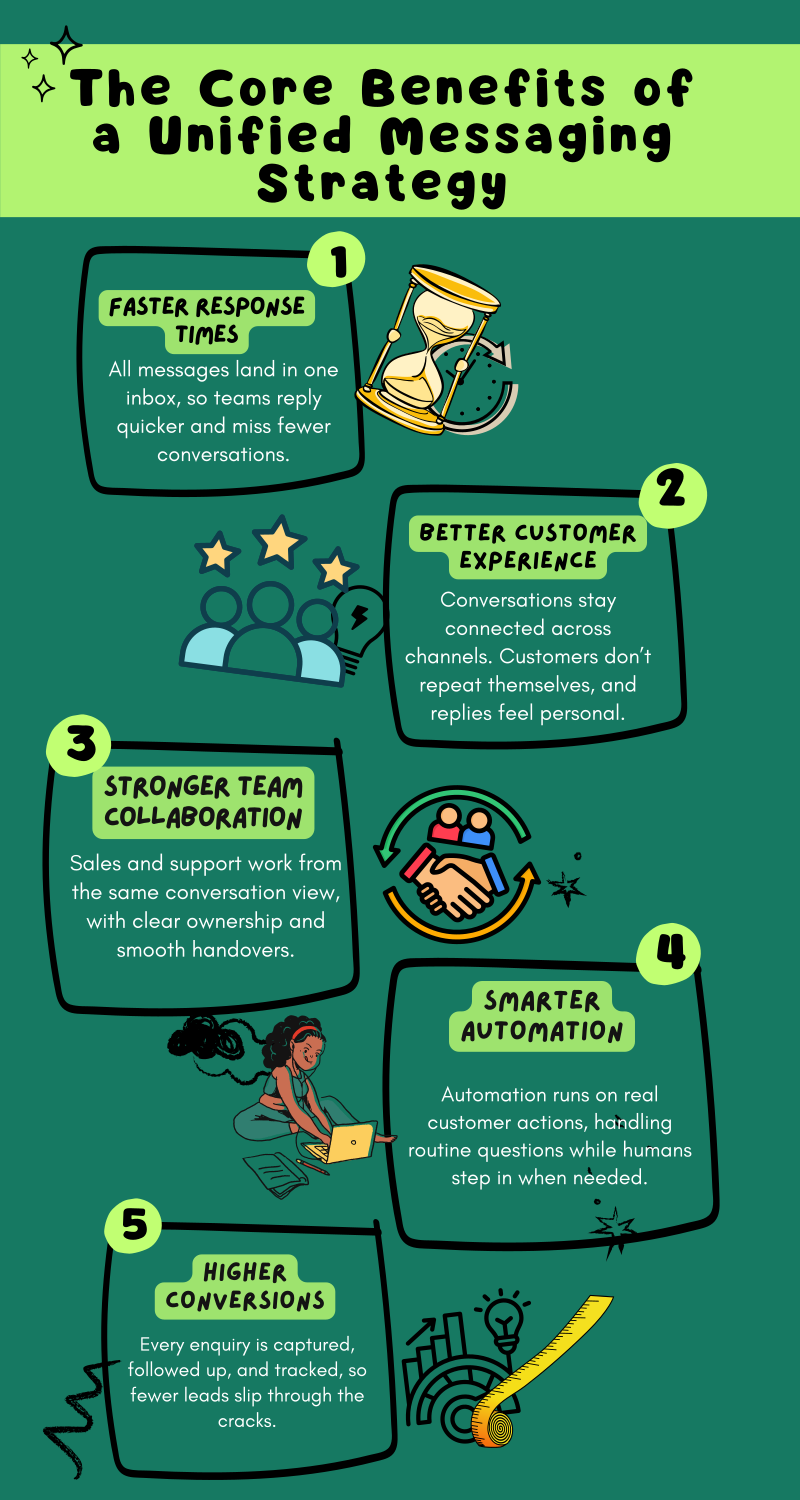
5. Better Lead Capture and Higher Conversions
Leads come from everywhere. DMs, website chats, WhatsApp messages, comments. Unified messaging captures them all in one place.
This makes follow-ups timely and consistent. Leads don’t get forgotten. Conversations stay warm, and sales teams can focus on closing instead of chasing messages.
6. Clearer Insights and Smarter Decisions
When conversations are unified, data makes sense. Businesses can track response times, engagement, and outcomes across all channels instead of guessing from fragmented reports.
These insights help refine messaging, improve workflows, and spot gaps before they turn into problems.
So, you can see that unified messaging isn’t just an operational improvement. It’s a foundation for faster responses, better relationships, and sustainable growth in 2026.
Channels That Matter in a Unified Messaging Strategy
A unified messaging strategy only works if it covers the channels your customers actually use. In 2026, that usually means meeting people where they already spend their time, not forcing them into a single platform.
For many businesses, WhatsApp is the backbone of customer communication. It’s used for enquiries, support, order updates, and follow-ups. Its high open rates and real-time nature make it a key channel for both sales and service.
Instagram Direct Messages
Instagram DMs have become a major entry point for conversations, especially for consumer brands. Customers ask questions directly from posts, stories, and ads. Without unification, these leads often sit disconnected from the rest of the customer journey.
Facebook Messenger
Messenger still plays a strong role, particularly for brands running Facebook ads or managing active Facebook pages. Unified messaging ensures these conversations don’t get overlooked or separated from WhatsApp or Instagram interactions.
Telegram
Telegram is growing fast in certain regions and industries. Brands using it for communities, updates, or direct support benefit from having those chats visible alongside other channels.
Webchat
Website chat captures high-intent customers at the moment they’re ready to ask questions or buy. Unified messaging keeps those conversations connected to everything that follows, instead of treating them as isolated sessions.
So, the goal isn’t to be everywhere blindly. It’s to connect the right channels into one system, so every conversation feels like part of the same experience.
Key Features to Look for in a Unified Messaging Platform
Not every messaging tool is built for unification. Some simply collect messages. Others actually connect them. When choosing a unified messaging platform, these are the features that make the real difference.
A True Omnichannel Inbox
All conversations should flow into one inbox, regardless of where they start. WhatsApp, Instagram, Messenger, Telegram, and web chat should sit side by side with full conversation history and customer context.
AI-Powered Agents
AI should handle common questions, guide customers, and qualify leads without breaking the flow. The best platforms let AI work across channels and hand conversations to humans smoothly when needed.
Flexible Automation Builder
Look for automation that responds to real actions, not just timers. Triggers based on messages, behavior, or data help conversations feel timely and relevant instead of scripted.
Team Collaboration Tools
Shared inboxes, chat assignments, internal notes, and approval workflows keep teams aligned. These features prevent duplicated replies and make handovers seamless.
Broadcast and Retargeting Capabilities
Unified messaging platforms should support planned, compliant broadcasts, especially on WhatsApp. Retargeting helps brands follow up without starting conversations from scratch.
Deep Integrations
Your messaging platform should connect with CRMs, ecommerce tools, and workflow systems. Integrations remove manual work and keep customer data consistent across the business.
Multi-Workspace Support
For agencies or multi-brand businesses, separate workspaces help keep conversations organized while managing everything from one account.
Compliance and Security
Official APIs, approved message templates, and secure data handling protect both your business and your customers. This isn’t optional. It’s foundational.
A strong unified messaging platform brings these features together into one system, not scattered add-ons.
How DMLY Supports a Unified Messaging Strategy
DMLY is built around the idea that conversations shouldn’t live in silos. It brings every customer interaction into one connected system, so teams can respond faster, automate smarter, and scale without chaos.
At the center of DMLY is a unified team inbox. Messages from WhatsApp, Instagram, Telegram, etc., all land in one place with full context. Teams can assign conversations, collaborate internally, and make sure every message gets the right response at the right time.
DMLY’s AI agents work across channels, handling FAQs, lead qualification, and product guidance 24/7. When a conversation needs a human touch, the handover is seamless. No lost context. No awkward transitions.
Automation in DMLY goes beyond simple replies. With a visual builder, businesses can create workflows triggered by real customer actions. Follow-ups, reminders, and updates run automatically while still feeling personal. Combined with WhatsApp broadcasts built on the official Business API, brands can plan campaigns, retarget contacts, and stay compliant at scale.
Integrations with e-commerce platforms, CRMs, and workflow tools keep everything connected. Add multi-workspace support, advanced segmentation, and API access, and DMLY becomes more than a messaging tool. It becomes the foundation of a unified messaging strategy built for 2026 and beyond.
Best Practices for Building a Unified Messaging Strategy
A unified messaging strategy works best when it’s built intentionally. These practices help brands get the most out of their setup without overwhelming teams or customers.
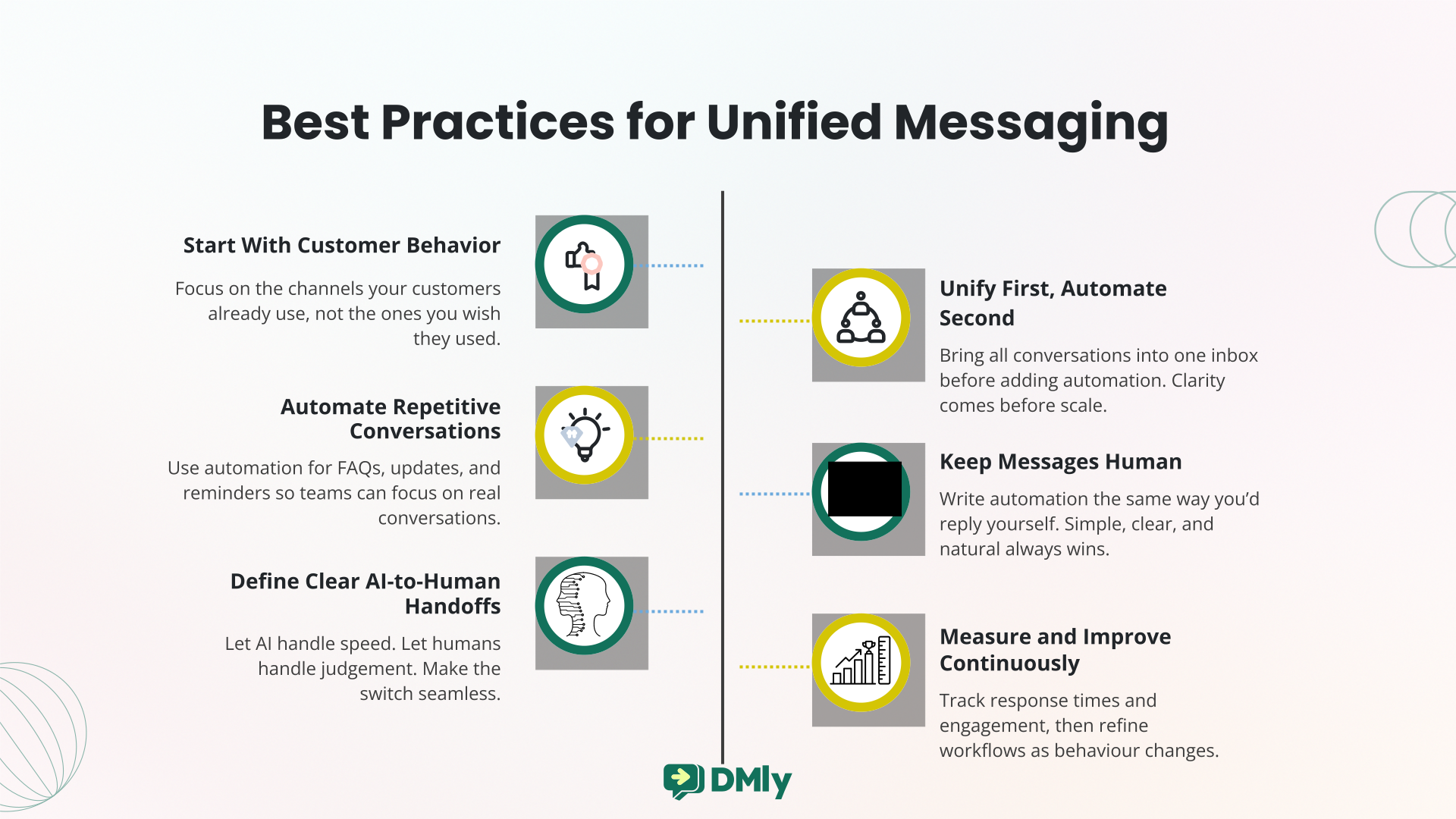
Start with Customer Behavior
Look at where your customers already message you. Don’t force them into new channels. Build your strategy around real usage patterns and prioritize the platforms that drive the most conversations.
Unify Before You Automate
Bring all channels into one inbox first. Once conversations are visible and organized, automation becomes easier to design and far more effective.
Automate Repetitive Tasks First
Focus automation on predictable interactions like FAQs, order updates, and reminders. This saves time without stripping conversations of their human feel.
Keep Messages Human
Even automated replies should sound natural. Short, clear language builds trust. If a message feels robotic, it usually performs poorly.
Set Clear Handoffs Between AI and Humans
AI should support your team, not confuse customers. Make sure handovers are smooth and that humans can step in with full context whenever needed.
Measure, Refine, Improve
Track response times, engagement, and outcomes. Small adjustments to timing, wording, or workflows can significantly improve results over time.
Final Note
In 2026, brands don’t win by being on more channels. They win by connecting them. Customers expect fast, continuous conversations that don’t reset every time they switch platforms.
Unified messaging delivers that experience while giving teams clarity, speed, and control.
DMLY makes this possible by bringing channels, automation, AI, and collaboration into one system. If messaging plays any serious role in your sales or customer experience, building a unified strategy is no longer optional. It’s how modern brands stay responsive, scalable, and ready for what comes next.
Frequently Asked Questions
What is a unified messaging strategy?
A unified messaging strategy means managing all customer conversations from one place, even when they happen across different channels. Messages from Instagram, WhatsApp, Messenger, Telegram, and web chat are connected into a single inbox with full context.
Is unified messaging only for large businesses?
No. Small and growing businesses benefit just as much. Unified messaging reduces missed messages, speeds up replies, and keeps teams organized without needing more staff or more tools.
How does unified messaging improve customer experience?
Customers don’t have to repeat themselves. Conversations stay connected across channels, replies are faster, and responses feel more relevant. That consistency builds trust and keeps customers engaged.
Can AI and human teams work together in unified messaging?
Yes, and that’s where it works best. AI handles common questions and routine tasks, while humans step in for complex or sensitive conversations. Unified systems keep the full context so handovers feel natural.
Which channels should I prioritize first?
Start with the channels your customers already use most. For many brands, that includes WhatsApp, Instagram DMs, and web chat. You can always add more channels as your strategy matures.
How long does it take to implement a unified messaging strategy?
With the right platform, setup can take hours or days, not months. Most businesses start by unifying inboxes first, then layering in automation and AI over time.
What should I look for in a unified messaging platform?
Look for a true omnichannel inbox, automation, AI support, team collaboration tools, integrations with your existing systems, and strong compliance with messaging platform rules.
How does DMLY support unified messaging?
DMLY brings all major messaging channels into one inbox, supports AI agents and automation, and integrates with e-commerce and CRM tools. It’s built to help brands manage conversations at scale without losing the human touch.