
Messaging used to be simple. Pick a channel. Reply when you could. Move on. That approach doesn’t hold up anymore.
Customers now jump between WhatsApp, Instagram, email, and SMS without thinking twice – and they expect businesses to keep up without missing a beat.
That’s why more brands are rethinking how they communicate. Some still rely on a single channel because it feels easier to manage. Others are moving toward omnichannel messaging to create smoother, more connected conversations across platforms.
In this guide, we’ll break down what each approach really means, where they work best, and how the right messaging tools can help you choose a setup that fits your business today.
What Is Omnichannel Messaging?
Omnichannel messaging is about treating every customer conversation as one continuous experience, even when it happens across different platforms.
Instead of seeing WhatsApp, Instagram DMs, email, and SMS as separate channels, omnichannel messaging connects them into a single flow.
Here’s what that looks like in practice. A customer discovers your brand on Instagram, sends a question via WhatsApp, and later follows up by email. With omnichannel messaging, your team sees all of that history in one place. No repeated questions. No lost context. Just one ongoing conversation that feels smooth and personal.
This is different from simply “being everywhere.” Many businesses are already active on multiple channels, but those channels often operate in silos.
Omnichannel messaging removes those silos by unifying messages, customer data, and automation across platforms. This will often result in faster replies, better personalization, and a customer experience that feels consistent, no matter where the conversation starts or continues.
Key Features of Omnichannel Messaging
Omnichannel messaging works because everything is connected behind the scenes. It’s not just about answering messages on different platforms. It’s about doing it with context, speed, and consistency. Let’s see some of the core features that make that possible.
A unified inbox
All messages from WhatsApp, Instagram, Messenger, SMS, and email land in one place. Your team doesn’t have to jump between apps or tabs. Everyone sees the full conversation history before replying.
Shared customer context
Every interaction is tied to the same customer profile. That means past messages, preferences, and actions stay visible, even when the channel changes. Customers don’t have to repeat themselves, and your team doesn’t start from scratch.
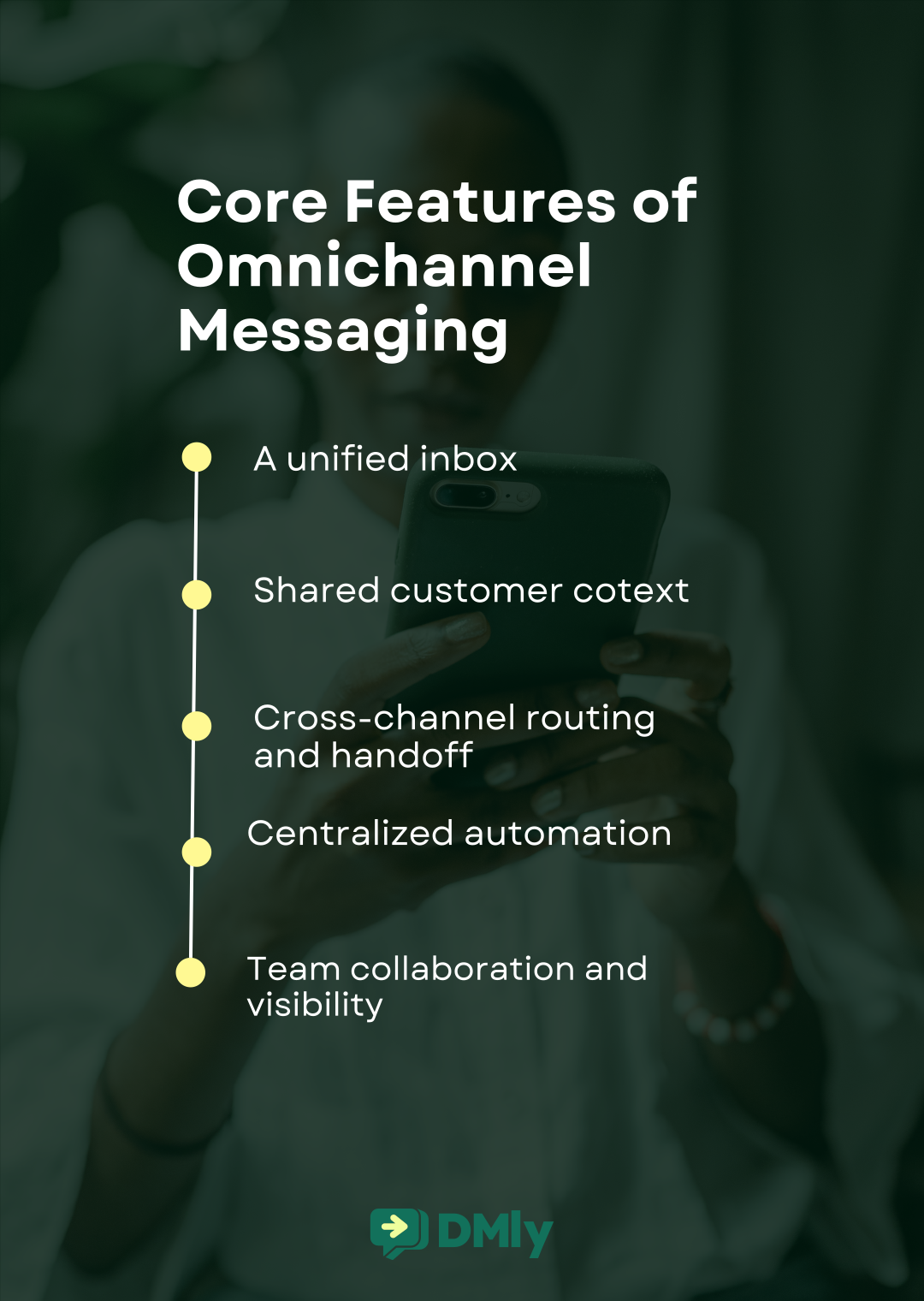
Cross-channel routing and handoff
Omnichannel systems allow conversations to move smoothly between channels and teams. A sales chat can become a support ticket. A DM can turn into a WhatsApp conversation. All without losing momentum.
Centralized automation
Automations work across channels, not in isolation. You can trigger follow-ups, reminders, or routing rules based on customer behavior, regardless of where the message came from.
Team collaboration and visibility
Multiple team members can view, assign, and collaborate on conversations in real time. Notes, tags, and internal comments keep everyone aligned and prevent duplicate or conflicting replies.
Together, these features turn scattered messages into structured conversations. That’s what allows omnichannel messaging to scale without sacrificing the personal feel customers expect.
Omnichannel vs Single-Channel Messaging: What’s the Real Difference?
At a glance, single-channel and omnichannel messaging might seem like two ways of doing the same thing. In reality, they lead to very different customer experiences, and very different outcomes for your business.
Single-channel messaging
This means all your conversations happen in one place. That could be WhatsApp, email, Instagram DMs, or SMS. It’s simple to set up and easy to manage at first. For small teams or early-stage businesses, this approach can work well because there’s less to coordinate and fewer tools involved.
The problem shows up as soon as customers don’t stick to that one channel. A prospect who messages you on Instagram today might switch to WhatsApp tomorrow. With a single-channel setup, that context is lost. Your team starts over. The customer repeats themselves. Friction creeps in.
Omnichannel messaging
This is built for how people actually behave. It connects all your messaging channels into one system so conversations continue seamlessly, even when the channel changes. The history follows the customer, not the platform. That means faster replies, better personalization, and fewer dropped conversations.
If your business relies on ongoing conversations to sell, support, or retain customers, omnichannel messaging stops being a “nice to have.” It becomes a competitive advantage.
Here’s a quick summary of how the two differ:
| Aspect | Single-Channel Messaging | Omnichannel Messaging |
| Channels used | One platform only (e.g. WhatsApp or email) | Multiple platforms connected in one system |
| Conversation history | Limited to one channel | Shared across all channels |
| Customer experience | Disconnected if users switch channels | Seamless and continuous |
| Personalization | Basic, channel-specific | Context-rich and cross-channel |
| Team efficiency | Manual switching between tools | Centralized inbox and workflows |
| Scalability | Works for small volumes | Built for growing teams and traffic |
| Automation | Channel-specific | Cross-channel automation |
| Risk of missed messages | High when channels increase | Low due to unified visibility |
Why Omnichannel Messaging Matters More Than Ever
Customers don’t think in channels. They move naturally from one platform to another, expecting businesses to follow along without friction. When that doesn’t happen, the experience feels broken.
Omnichannel messaging exists to close that gap, and in 2026, it’s becoming a clear differentiator between brands that grow and brands that struggle to keep up.
One of the biggest reasons omnichannel messaging matters is context. When conversations are fragmented, customers are forced to repeat themselves. That creates frustration and slows everything down.
A connected messaging setup keeps the full history intact, so every reply feels informed and intentional. This alone has a direct impact on satisfaction, trust, and conversion rates.
Omnichannel messaging also improves speed and efficiency. Teams no longer waste time switching tools, hunting for past messages, or guessing what a customer already knows. Everything is visible in one place, which leads to faster responses and fewer mistakes. As message volume increases, this efficiency becomes essential, not optional.
Also, omnichannel messaging supports long-term relationships, not just quick replies. It allows businesses to stay present across the channels customers prefer while maintaining a consistent voice and experience.
Whether it’s sales, support, or follow-ups, conversations feel continuous rather than transactional. In a year where experience often matters more than price, that continuity makes a real difference.
Core Components of an Effective Omnichannel Messaging Strategy
Omnichannel messaging only works when the right pieces are in place. It’s not about adding more channels for the sake of it. It’s about building a system that keeps conversations connected, consistent, and easy to manage as your business grows.
These are the core components that make that happen.
1. Channel integration
All messaging channels need to be properly connected. WhatsApp, Instagram, Messenger, SMS, and email should feed into one system, not operate as separate inboxes. This ensures conversations can move freely between platforms without losing context or momentum.
2. Personalization
Omnichannel messaging allows businesses to tailor conversations based on real customer data. Past interactions, preferences, and behavior inform every message. This makes communication feel relevant instead of generic, even when automation is involved.
3. Consistency across touchpoints
Tone, timing, and information should stay aligned no matter where the conversation happens. Customers shouldn’t receive mixed messages just because they switched channels or spoke to a different team member.
4. Smart automation
Automation plays a supporting role, not the lead. It helps handle repetitive actions like routing, follow-ups, and acknowledgments while leaving room for human input when conversations require it.
5. Analysis and insight
A strong omnichannel strategy is measurable. Businesses need visibility into response times, engagement, channel performance, and outcomes. These insights make it possible to refine messaging and improve results over time.
When these components work together, omnichannel messaging stops feeling complex. It becomes a clear, repeatable way to deliver better conversations at scale.
Key Features to Look for in an Omnichannel Messaging Platform
Not every tool that claims to be “omnichannel” actually delivers a connected experience. Some simply stack channels side by side, leaving teams to do the hard work manually.
A true omnichannel messaging platform should simplify communication, not add more layers to manage. These are the features that really matter.
A true unified inbox
This is non-negotiable. All conversations from every channel should appear in one inbox, tied to a single customer profile. Your team should see the full history instantly, no matter where the message started.
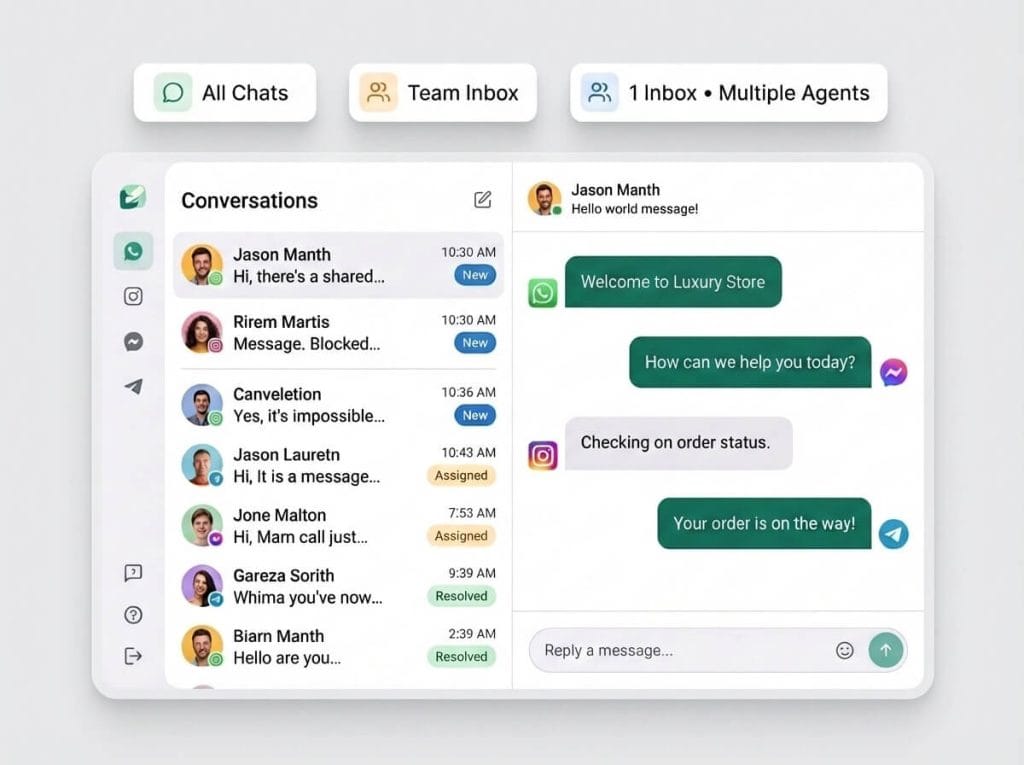
Cross-channel conversation continuity
The platform should maintain context when customers switch channels. A WhatsApp chat that turns into an email follow-up shouldn’t feel like a reset. Continuity is what separates real omnichannel tools from basic multi-channel ones.
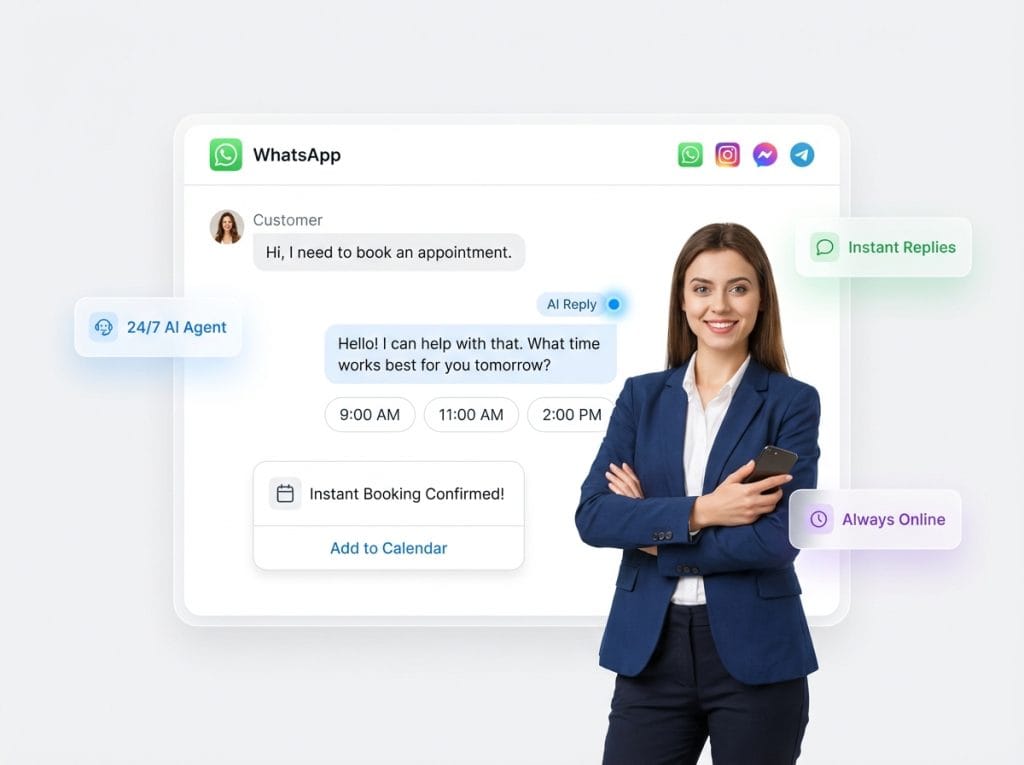
Flexible automation and workflows
Look for automation that works across channels, not just within one. This includes routing messages, triggering follow-ups, sending reminders, and escalating conversations when needed. Automation should adapt to customer behavior, not follow rigid rules.
CRM and tool integrations
Your messaging platform shouldn’t live in isolation. It needs to connect smoothly with your CRM, e-commerce platform, calendar tools, and analytics stack. This keeps customer data accurate and teams aligned.
Team collaboration tools
As conversation volume grows, collaboration becomes essential. Features like internal notes, tags, assignments, and role-based access help teams work together without stepping on each other’s toes.
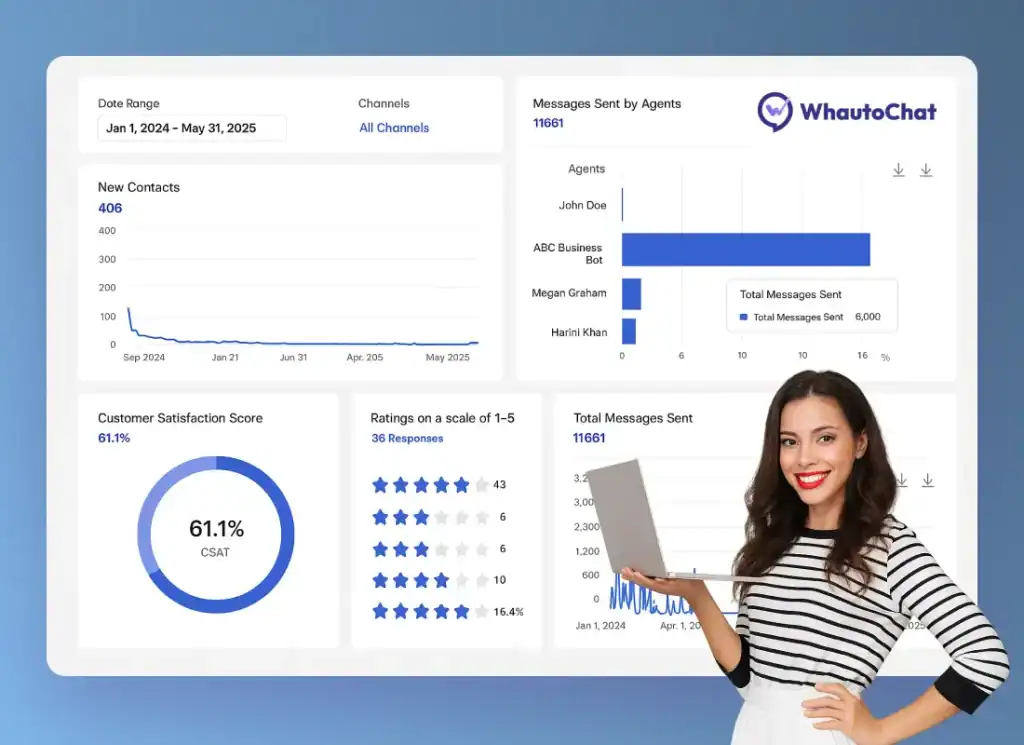
Clear analytics and reporting
You should be able to track response times, engagement, conversions, and channel performance in one place. Good reporting turns messaging into a measurable growth channel instead of a guessing game.
Scalability and reliability
What works for a small team today should still work when your message volume doubles. The right platform scales with your business, both in features and performance.
Popular Omnichannel Messaging Tools Worth Considering in 2026
DMly
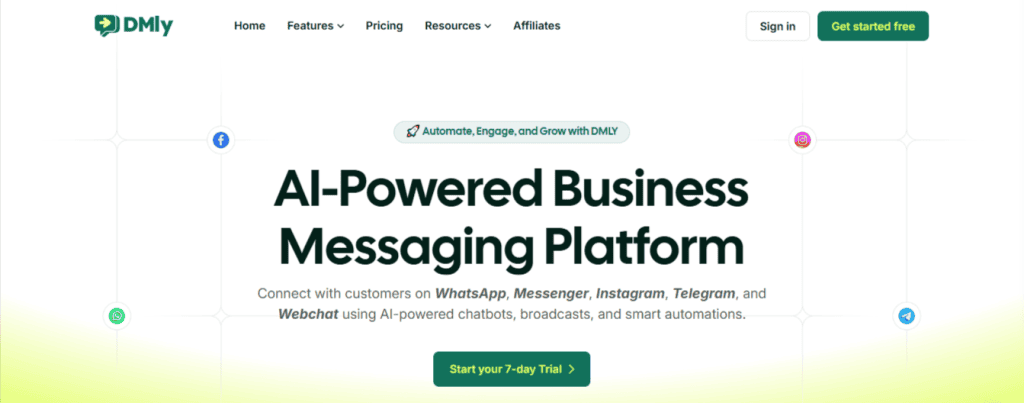
DMly is a modern messaging automation platform built for businesses that want to turn conversations into growth. It focuses heavily on WhatsApp while also supporting broader omnichannel workflows, making it a strong fit for sales, marketing, and customer engagement teams.
What makes DMly stand out is how approachable it is. You don’t need a large team or complex setup to start seeing value. Everything is designed to keep conversations personal while still allowing you to scale.
Key features
- Unified inbox for managing conversations across channels
- No-code automation workflows and message flows
- WhatsApp-first automation with omnichannel support
- CRM integrations for syncing conversations and contacts
- Built-in analytics to track engagement and performance
Pros
- Easy to set up and use
- Strong focus on conversational sales and prospecting
- Automation feels human, not robotic
- Flexible pricing for growing teams
Cons
- Less suited for very complex enterprise-only workflows
- Advanced customization may require higher-tier plans
Trengo
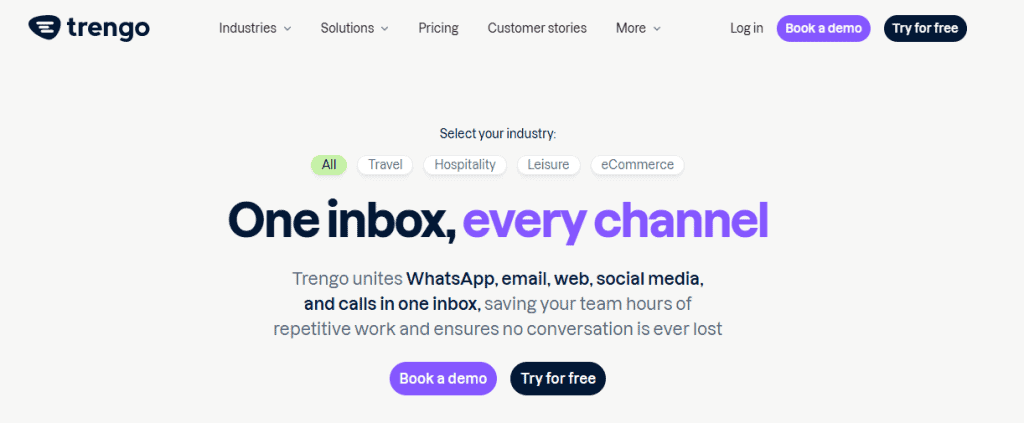
Trengo is a customer communication platform designed to help teams manage conversations across multiple channels from one inbox. It’s especially popular with support teams that handle high volumes of inbound messages.
Trengo’s strength lies in its channel coverage and team collaboration features, making it a solid choice for businesses focused on customer support rather than sales-heavy workflows.
Key features
- Omnichannel shared inbox
- Support for WhatsApp, email, live chat, Instagram, and more
- Built-in chatbot builder with templates
- CRM integrations with tools like HubSpot and Salesforce
- Internal notes and team collaboration tools
Pros
- Strong for multi-channel customer support
- Good collaboration features for teams
- Wide channel support
Cons
- Automation setup can feel fragmented
- Pricing is on the higher side
- Less sales-focused than some alternatives
HubSpot

HubSpot is best known as a CRM, but it has become increasingly popular as an omnichannel communication hub for marketing, sales, and support teams. It brings messaging, email, CRM data, and automation into one ecosystem.
Businesses already using HubSpot often choose it because everything lives under one roof, reducing the need for multiple tools.
Key features
- Unified CRM with messaging and email integration
- Live chat and chatbot tools
- Marketing automation and workflows
- Deep reporting and analytics
- Integrations with WhatsApp via partners
Pros
- Powerful all-in-one platform
- Excellent data visibility and reporting
- Strong ecosystem of integrations
Cons
- Can become expensive as you scale
- WhatsApp support relies on third-party integrations
- Steeper learning curve for smaller teams
Zendesk
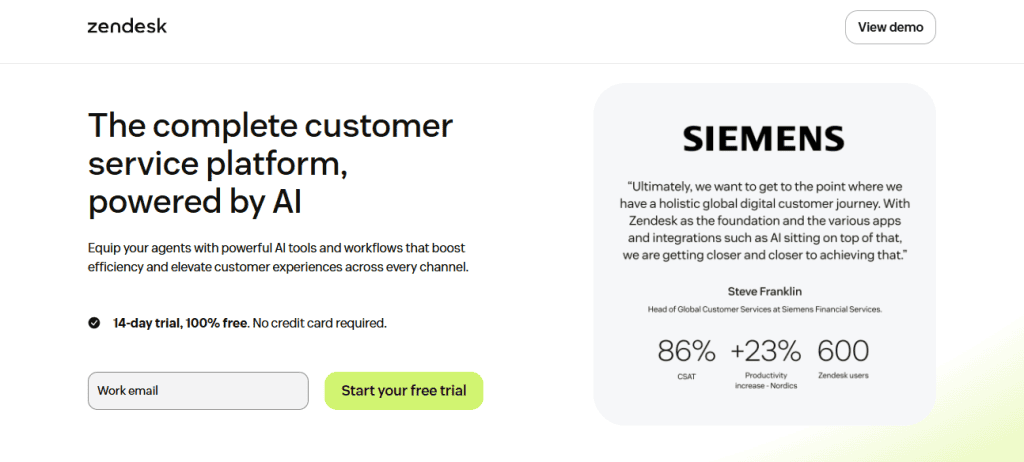
Zendesk is a long-standing leader in customer support software and has expanded into omnichannel messaging to support conversations across email, chat, social, and messaging apps.
It’s widely adopted by large organizations that need structure, reliability, and advanced ticketing systems for support-heavy environments.
Key features
- Omnichannel ticketing and messaging
- Support for WhatsApp, email, chat, and social channels
- Advanced routing and escalation rules
- Strong reporting and SLA management
- Enterprise-grade security and reliability
Pros
- Excellent for large support teams
- Mature, stable platform
- Powerful reporting and workflow controls
Cons
- Less flexible for conversational sales use cases
- Setup can feel complex
- Pricing may be too high for smaller teams
How DMly Helps Businesses Win with Omnichannel Messaging
Omnichannel messaging sounds powerful, but without the right tool, it quickly becomes overwhelming. This is why DMly comes first on the list of many brands when it comes to omnichannel messaging.
It’s built to help businesses manage conversations across channels without losing context, speed, or the personal touch customers expect.
At its core, DMly brings all customer conversations into one place. Whether a message starts on WhatsApp, comes in through social DMs, or continues later through another channel, your team sees the full picture. No guessing. No repeated questions. Just clear, continuous conversations that move forward naturally.
DMly also helps businesses scale without adding chaos. With no-code automation, teams can set up workflows that handle routine messages, follow-ups, and lead qualification automatically.
When a conversation needs a human touch, it’s easy to step in at the right moment. This balance between automation and real interaction keeps response times fast while still feeling human.
Beyond day-to-day messaging, DMly provides visibility into what’s working. Built-in analytics show response times, engagement levels, and conversation outcomes, helping teams improve over time.
Instead of treating messaging as a cost center, DMly turns it into a measurable growth channel that supports sales, marketing, and customer support – all from a single platform.
Tips for Choosing the Right Omnichannel Messaging Tool for Your Business

With so many platforms claiming to be “omnichannel,” choosing the right one can feel confusing. The key is to focus less on feature lists and more on how the tool fits your actual business needs. These tips will help you make a smarter, long-term choice.
Start with how your customers communicate
Look at where most of your conversations already happen. If WhatsApp drives sales, your tool should handle WhatsApp exceptionally well. If support comes in through multiple channels, unified handling becomes more important than channel count alone.
Match the tool to your business stage
Small teams often need simplicity and fast setup. Growing businesses need automation, visibility, and scalability. Enterprise teams may need advanced routing and reporting. Avoid tools that are either too basic or unnecessarily complex for where you are now.
Prioritize conversation continuity
A true omnichannel tool keeps context intact when customers switch channels. If conversations reset every time a channel changes, the platform isn’t solving the real problem.
Check automation flexibility
Good automation should adapt to customer behavior, not force rigid flows. Look for tools that let you automate follow-ups, routing, and responses while still allowing humans to step in easily.
Look beyond pricing headlines
Entry prices can be misleading. Consider costs for additional users, message volume, integrations, and automation features. The right tool should grow with you without constant surprise charges.
Test usability with your team
If your team struggles to use the platform, adoption will suffer. Choose a tool that feels intuitive, reduces manual work, and fits naturally into daily workflows.
Final Thoughts
Messaging has become one of the most important ways businesses connect with customers. As conversations spread across more platforms, relying on a single channel often creates gaps in context, slower responses, and missed opportunities.
Omnichannel messaging solves this by bringing every interaction into one connected experience, making it easier for teams to respond quickly and customers to feel understood.
The right approach depends on where your business is today, but the direction is clear. Customers expect continuity, speed, and personalization across channels.
With the right strategy and a platform like DMly to support it, omnichannel messaging stops being a complex idea and becomes a practical way to build stronger relationships and drive growth throughout the year.
FAQs
What is the difference between omnichannel and multichannel messaging?
Multichannel means you’re present on several platforms, but they often work separately. Omnichannel connects those channels into one experience, so conversations stay continuous even when customers switch platforms.
Do small businesses really need omnichannel messaging?
Not always at the start. Many small businesses begin with a single channel. But as message volume grows and customers reach out in more places, omnichannel messaging helps avoid missed messages and repeated conversations.
Is omnichannel messaging expensive to implement?
It doesn’t have to be. Costs depend on the platform you choose and how many channels you start with. Tools like DMly are built to scale gradually, so you can start simple and expand when needed.
How many channels should a business include in its omnichannel setup?
Only the channels your customers actually use. For many businesses, that starts with WhatsApp and one or two social platforms. Adding more channels makes sense once there’s a clear need.
Can omnichannel messaging really improve sales and support performance?
Yes. Faster responses, better context, and smoother handoffs all contribute to higher conversions and better customer satisfaction. When conversations feel connected, outcomes improve.