

Customer retention looks very different in 2026 than it did a few years ago. Customers aren’t just deciding what to buy now. They’re deciding who feels easiest to stay with.
The brands that win aren’t always cheaper or louder. They’re the ones that show up at the right moments, respond quickly, and make customers feel remembered.
And that’s where messaging changes the game.
Channels like WhatsApp, SMS, and in-app chat have moved from “support tools” to relationship channels. They let brands stay close after the first purchase, guide customers when they need help, and re-engage them before silence turns into churn.
Retention is no longer driven by email sequences alone. It’s built through ongoing, two-way conversations.
In this guide, we’ll break down what customer retention really means in 2026, why it matters more than ever, and how messaging can become your strongest retention lever. Just keep reading!
What Is Customer Retention? (And What It’s Not)
Customer retention is the ability of a business to keep customers coming back over time. It’s not just about getting a second purchase. It’s about building a relationship strong enough that customers choose you again, even when alternatives are one click away.
In simple terms, retention answers one question: After someone buys from you once, do they stay, or do they disappear?
A retained customer continues to:
- Buy again
- Use your product or service regularly
- Engage with your brand
- Trust you enough to stick around
Retention is the opposite of churn. When retention is high, churn is low. When retention drops, growth becomes expensive and unpredictable.
What Customer Retention Is Not
Retention is often confused with a few related concepts. They overlap, but they’re not the same.
- Retention is not loyalty programs alone: Discounts, points, and rewards can help, but they don’t guarantee retention. Customers stay when the experience feels easy, helpful, and consistent – not just because they’re chasing points.
- Retention is not one-off repeat purchases: A customer buying twice doesn’t always mean they’re retained. True retention shows up as ongoing behavior over time, not a single follow-up transaction.
- Retention is not customer satisfaction in isolation: A customer can be “satisfied” and still leave. Retention depends on habit, trust, convenience, and ongoing engagement, not just how happy someone felt once.
- Retention is not constant messaging: More messages don’t equal better retention. In fact, poorly timed or irrelevant messages push customers away. Retention comes from useful, well-timed communication, not noise.
Why Customer Retention Matters More Than Ever in 2026
In 2026, growth is no longer about who can attract the most new customers. It’s about who can keep them. That makes customer retention a foundational thing in 2026.
Let’s take a quick look at some reasons you can’t afford to joke with customer retention this year.
#1: Retention Makes Revenue Predictable
When customers stay, revenue stops being a guessing game. You’re no longer relying entirely on new campaigns or fresh leads to hit targets.
Returning customers buy again, upgrade faster, and respond more consistently to offers. This predictability makes it easier to forecast revenue, plan inventory, and invest confidently in growth.
On the other hand, low retention creates volatility. One slow acquisition month can ripple through the entire business.
#2: Retention Reduces Dependence on Paid Acquisition
Customer acquisition costs continue to rise across nearly every channel. Ads get more competitive, audiences get fatigued, and margins shrink. Retention eases that pressure.
When you keep customers longer:
- You spend less replacing churned users
- You rely less on discounts to drive repeat purchases
- You can grow without scaling ad spend at the same rate
Retention doesn’t replace acquisition, but it makes acquisition more efficient.
#3: Retained Customers Are More Profitable Over Time
Customers who stick around don’t just buy more. They buy better.
Over time, retained customers tend to:
- Buy more frequently
- Spend more per order
- Try new products with less hesitation
- Be more forgiving when something goes wrong
- Recommend you to others
They already trust your brand. That trust reduces friction and increases lifetime value, which directly improves profitability.
#4: Retention Strengthens Brand Trust and Loyalty
Trust isn’t built in a single transaction. It’s built through consistent experiences, especially after the sale. When customers know they can:
- Reach you easily
- Get fast, helpful responses
- Receive relevant updates
They feel safer staying. Messaging plays a huge role here because it keeps the relationship open and accessible. Brands that communicate well don’t just retain customers; they earn loyalty.
#5: Retention Fuels Organic Growth
Satisfied, retained customers talk. They recommend brands in group chats, forward messages, and share experiences casually. This kind of growth doesn’t come from campaigns; it comes from consistency.
In 2026, referrals and word-of-mouth feel more natural through messaging than any other channel. One good experience can quietly create several new customers.
#6: Retention Reflects the Real Customer Experience
One thing many brands don’t understand is that retention is a truth metric. Customers can say they’re satisfied and still leave. Retention shows what they actually do.
If customers stay, it means the product delivers value, communication feels supportive, or the overall experience works. If they don’t, something in the journey is broken.
Retention forces businesses to confront reality and fix it.
How to Calculate Customer Retention Rate
Before you can improve retention, you need to measure it correctly. Many businesses guess how “sticky” their customers are, but retention only becomes actionable when it’s calculated properly and tracked over time. So, let’s quickly see how you can do that.
The standard formula for customer retention rate looks like this:
Customer Retention Rate (%) =
[(Customers at End of Period − New Customers Acquired) ÷ Customers at Start of Period] × 100
Let’s simplify each part:
- Customers at Start of Period: The number of customers you had at the beginning of the period you’re measuring.
- New Customers Acquired: Customers who joined during that same period.
- Customers at End of Period: The total number of customers you have at the end of the period.
Here’s a real-life example:
- You start the month with 1,000 customers
- You acquire 200 new customers during the month
- You end the month with 1,050 customers
First, subtract new customers from the end total: 1,050 − 200 = 850 retained customers
Now divide by the starting number: 850 ÷ 1,000 = 0.85
Multiply by 100: Customer Retention Rate = 85%
That means 85% of your existing customers stayed with you during that period.
So, how do you know the right time frame to choose for your business?
Retention can be measured over different time windows, depending on your business model:
- Monthly retention works well for subscription products and active services
- Quarterly retention gives a clearer picture for higher-consideration purchases
- Cohort-based retention tracks how specific groups behave over time
Key Customer Retention Metrics You Should Track

Customer retention rate gives you the headline number, but it doesn’t tell the full story. To actually improve retention in 2026, you need a wider set of metrics that show how customers behave, where they drop off, and what keeps them engaged over time.
Let’s walk through the most important retention metrics one by one.
Customer Churn Rate
Churn rate measures the percentage of customers who leave during a given period. It’s the flip side of retention and often more emotionally honest.
A rising churn rate usually means:
- Customers aren’t seeing ongoing value
- Communication feels irrelevant or absent
- Support issues aren’t being resolved fast enough
Tracking churn alongside retention helps you understand how serious the problem is and how quickly action is needed.
Customer Lifetime Value (CLV)
CLV estimates how much revenue a customer generates over their entire relationship with your business. High retention almost always leads to higher CLV because customers purchase more frequently and stay longer.
If CLV is stagnant, retention efforts may be keeping customers, but not deepening the relationship.
Repeat Purchase Rate
This metric shows how often customers come back to buy again. A strong repeat purchase rate signals trust in the brand and clear post-purchase communication. To get this metric up, you will need to understand how to master messaging automation – using it to nudge your customers just at the right moments.
Engagement Consistency
Engagement consistency tracks how regularly customers interact with your brand across messaging channels. This includes:
- Opening messages
- Replying to conversations
- Clicking buttons or links
Retention weakens when engagement becomes sporadic. Consistent, low-friction engagement often predicts long-term loyalty.
Customer Satisfaction (CSAT) and Net Promoter Score (NPS)
These experience metrics help explain retention outcomes.
- CSAT shows how customers feel after specific interactions
- NPS reflects long-term loyalty and willingness to recommend
Neither replaces retention metrics, but both provide important context.
Why Messaging Is a Powerful Channel for Customer Retention
Customer retention in 2026 isn’t driven by campaigns alone. It’s driven by presence. Messaging works so well for retention because it lets brands stay present in a way that feels natural, timely, and human, without demanding too much effort from the customer.
#1: Messaging Meets Customers Where They Already Are
Customers don’t need to “check” messaging apps the way they check email. Messaging lives in their daily flow. Notifications are seen quickly, conversations feel familiar, and replies are easy.
This lowers friction. When staying in touch feels effortless, customers are more likely to engage.
#2: Messaging Supports Ongoing, Two-Way Relationships
Retention depends on continuity, not one-off touchpoints. Messaging allows conversations to stay open over time instead of resetting with every interaction. Customers can:
- Reply days or weeks later
- Pick up where they left off
- Ask follow-up questions without starting over
This sense of continuity builds familiarity and familiarity builds trust.
#3: Messaging Enables Real-Time Support and Reassurance
When something goes wrong, speed matters. Messaging allows brands to acknowledge issues instantly, provide updates proactively, and resolve concerns before frustration builds.
Fast, clear communication often turns a potential churn moment into a loyalty moment. Customers remember how you show up when it counts.
#4: Messaging Feels Personal Without Being Intrusive
Unlike email blasts, messaging can feel one-to-one even at scale. With the right data and timing, messages can reference past purchases, recent interactions, and customer preferences. Because your messages feel relevant, customers don’t see them as marketing. They see them as help.
#5: Messaging Fits Naturally Into the Post-Purchase Journey
Most churn happens after the first transaction, not before it. Messaging shines in this phase because it supports:
- Onboarding and guidance
- Usage reminders
- Follow-ups and check-ins
- Re-engagement after inactivity
Instead of hoping customers remember your brand, messaging keeps the relationship alive.
Key Messaging Touchpoints That Influence Customer Retention
Customer retention is shaped by a series of small, well-timed interactions that reassure customers they made the right choice. Messaging is powerful because it fits naturally into these moments without feeling forced.
Let’s look at the messaging touchpoints that matter most for retention.
Onboarding and First-Value Moments
The period right after a customer’s first purchase or sign-up is critical. This is where expectations are set, and confidence is built or lost.
Messaging helps by guiding customers through the next steps and explaining how to get value quickly. When customers understand what to do and feel supported early, they’re far more likely to stick around.
Post-Purchase Follow-Ups
Silence after a transaction creates doubt. A simple follow-up message can reinforce trust and keep the relationship warm. Effective post-purchase messages include:
- Order confirmations and updates
- Usage tips or recommendations
- Simple check-ins asking if help is needed
These messages reassure customers that the brand hasn’t disappeared once payment is complete.
Customer Support and Issue Resolution
Support interactions are defining moments for retention. Customers don’t expect perfection, but they do expect responsiveness. Messaging makes support feel faster, more personal, and less frustrating.
Usage Reminders and Value Nudges
Many customers churn not because they’re unhappy, but because they forget to engage.
Messaging helps re-anchor value through reminders and gentle nudges that feel helpful, not salesy. These touchpoints keep your brand relevant without overwhelming the customer.
Loyalty, Rewards, and Milestones
Retention deepens when customers feel recognized. Messaging works well for loyalty updates, exclusive offers, and milestone celebrations. These moments reinforce appreciation and make customers feel valued beyond transactions.
How DMly Helps Businesses Improve Customer Retention
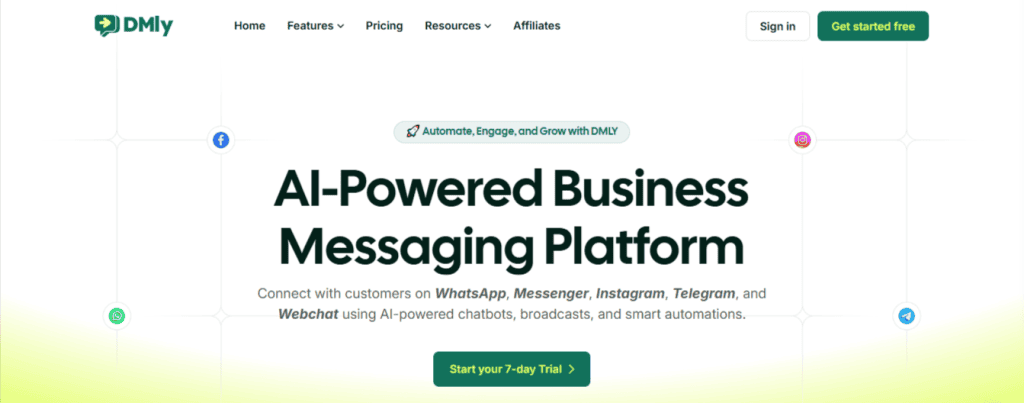
Customer retention doesn’t happen by accident. It’s the result of timely conversations, consistent experiences, and making customers feel remembered long after the first purchase.
DMly is built to help businesses move beyond one-off messages and create ongoing, meaningful conversations that keep customers coming back.
Instead of juggling multiple tools or sending generic follow-ups, teams can manage the entire customer lifecycle, from onboarding to re-engagement, inside one unified messaging platform.
Here’s how DMly actively supports stronger customer retention:
Centralized Conversations Across Channels
DMly brings all customer conversations into one dashboard. Whether a customer reaches out via WhatsApp, responds to a campaign, or follows up after a purchase, your team sees the full context in one place.
This means:
- No repeated questions
- No lost conversation history
- No disconnected experiences
Customers feel recognized every time they interact, which builds trust and long-term loyalty.
Automated Yet Human Follow-Ups
One of the biggest reasons customers churn is silence after engagement. DMly solves this with smart automation that keeps conversations alive, without feeling robotic.
With DMly, businesses can automatically follow up after purchases, demos, or support interactions. They can also send trigger messages based on customer behavior (inactivity, clicks, replies). This helps businesses achieve consistent communication that feels thoughtful, not spammy.
Personalized Messaging at Scale
Retention improves when messages feel relevant. DMly allows businesses to personalize outreach using customer data like past purchases, preferences, location, or engagement history.
Instead of sending the same message to everyone, brands can recommend products based on previous activity and send targeted offers to specific customer segments. That way, customers receive messages that actually matter to them, and that keeps them engaged.
Lifecycle-Based Messaging Flows
DMly helps brands think beyond campaigns and focus on the full customer journey. With automated flows, businesses can:
- Welcome new customers properly
- Onboard users with helpful guidance
- Re-engage inactive customers before they churn
- Reward loyal customers with exclusive access or perks
Each interaction feels intentional and well-timed, strengthening the relationship over time.
Faster, Better Support Conversations
Quick responses play a huge role in retention. DMly enables faster resolution through automated replies, routing, and seamless handoff to human agents when needed.
Customers don’t feel ignored. Issues get resolved faster. Frustration drops significantly.
And when customers feel supported, they stay.
6 Real-World Customer Retention Examples (and Why They Work)
This is not a mere theory – it’s absolutely applicable. Here are six standout examples of some of the most successful brands in the world have turned retention into a competitive advantage, and the lessons behind them.
1. Removing Friction from the Customer Experience
Retention often starts with one simple question: How easy is it to do business with you?
Customers expect digital experiences to be fast, intuitive, and hassle-free. Research consistently shows that buyers are far more likely to stick with brands that make transactions effortless.
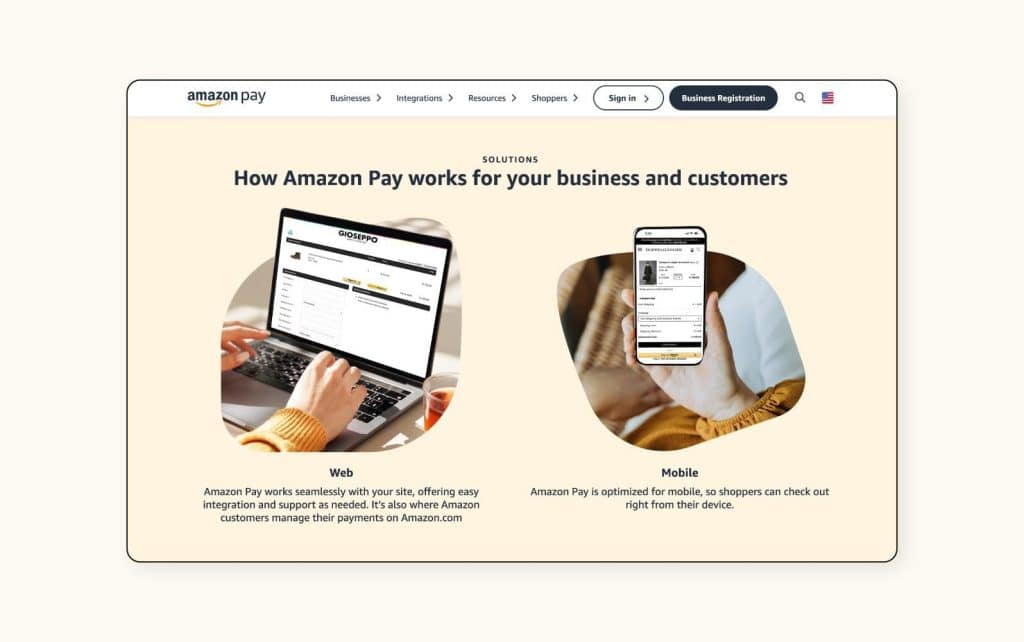
Amazon sets the benchmark here. From one-click checkout to free 2-day shipping with a Prime membership and easy returns, the brand removes friction at every step. Customers don’t have to think – they just buy. That simplicity builds habit, and habit drives retention.
2. Treating Every Customer Like a VIP
Personalized service isn’t just for high-end clients anymore. Brands that make customers feel special, regardless of spend, see stronger loyalty.
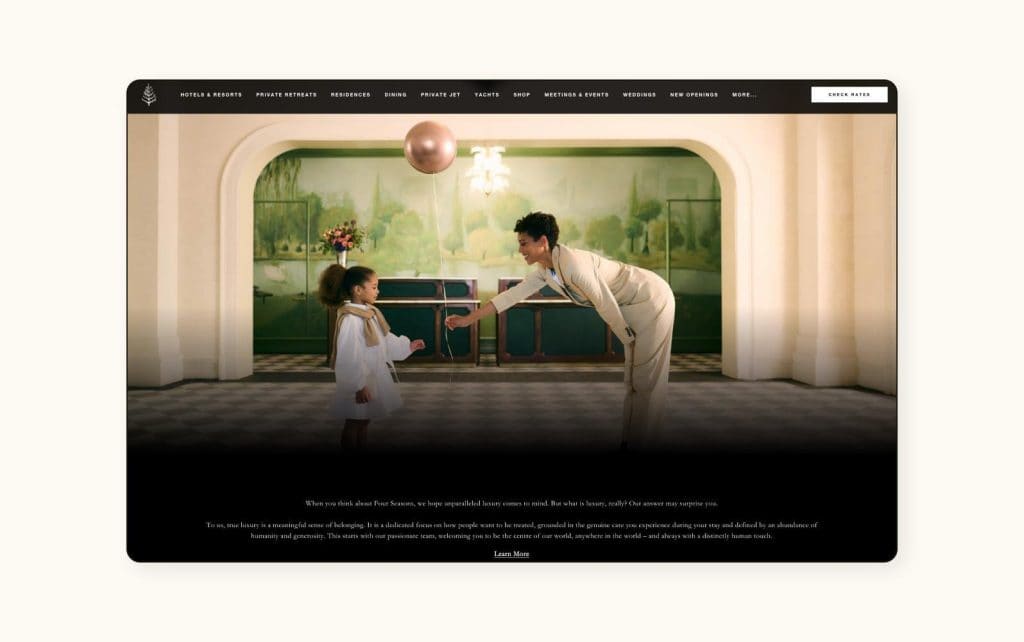
Four Seasons is a great example of this mindset in action. Guests can message hotel staff via channels like WhatsApp to request services, ask for recommendations, or manage their stay in real time. The experience feels personal, responsive, and premium, even though it’s powered by technology.
Why it works:
Customers remember how a brand makes them feel. Feeling valued leads to repeat business.
3. Aligning with Values Customers Care About
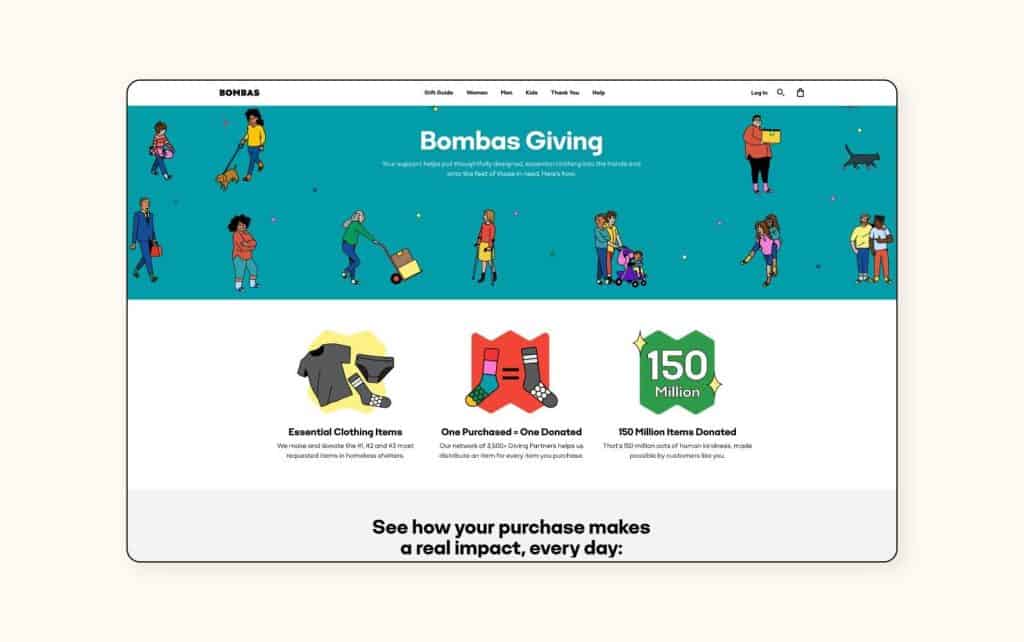
Retention isn’t always about product or price. Sometimes, it’s about shared values.
Bombas has built loyalty by weaving social impact directly into its business model. For every item purchased, the company donates one to someone in need. Customers don’t just buy socks; they feel like they’re contributing to a cause.
Why it works:
When customers emotionally connect with a brand’s mission, they’re more likely to stay loyal long term.
4. Leading with Empathy, Not Scripts
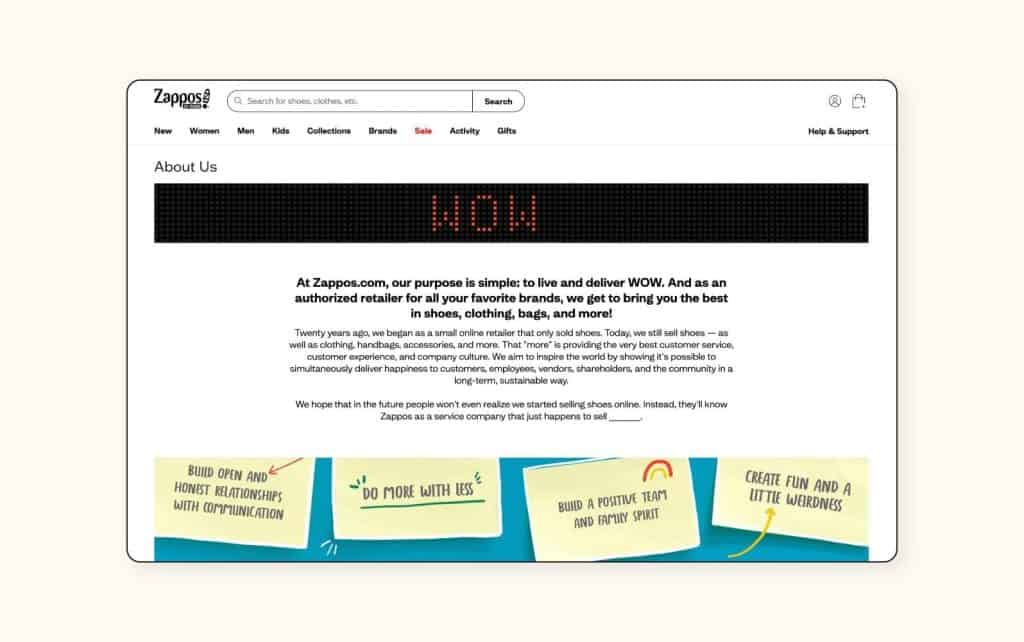
Empathy is one of the most powerful and often overlooked retention tools. During challenging times, Zappos took a human-first approach by opening a hotline where customers could talk about anything, not just orders or returns. From daily life to entertainment recommendations, the brand focused on connection rather than conversion.
Why it works:
Customers don’t forget brands that show genuine care. Empathy builds trust, and trust fuels retention.
5. Creating a Unified View of the Customer
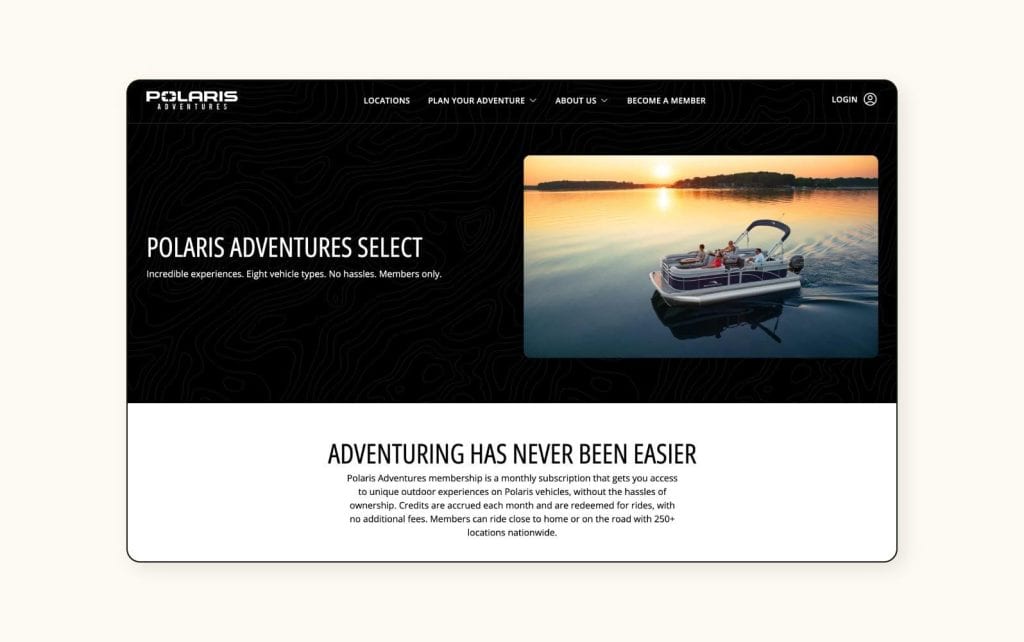
73 percent of business leaders say there’s a direct link between business performance and customer service. Disjointed experiences frustrate customers. Repetition, lost context, and inconsistent support quickly erode loyalty.
Polaris tackled this by investing in tools that unify customer data across channels. Support teams could see the full customer history in one place, respond faster, and personalize interactions more effectively, boosting both productivity and customer satisfaction.
6. Being Proactive Instead of Reactive
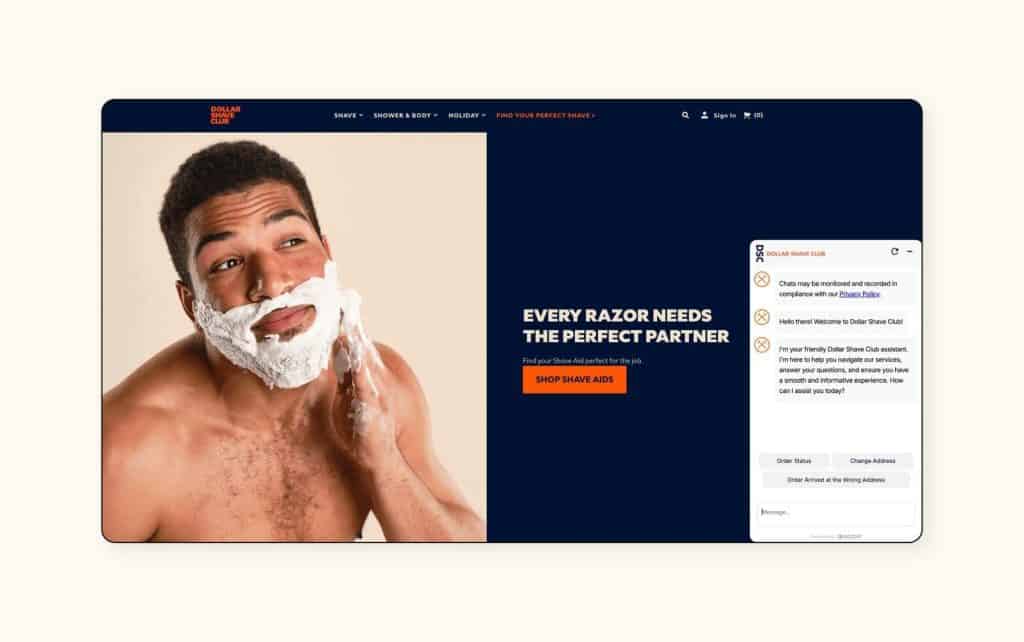
The best retention strategies don’t wait for problems; they prevent them. Dollar Shave Club uses proactive chat tools to engage customers before issues arise. By answering questions early and guiding users at critical moments, the brand reduces friction, abandonment, and frustration.
Why it works:
Anticipating needs shows customers you’re paying attention, and that builds confidence in your brand.
Best Practices for Using Messaging to Retain Customers
Messaging can be one of the most powerful retention tools you have, but only if it’s used the right way. In 2026, customers expect conversations that feel timely, relevant, and genuinely helpful.
So, before we round up this guide, let’s consider some proven best practices that your business can use to keep your customers engaged, satisfied, and loyal over the long term.
1. Be Proactive, Not Reactive
Don’t wait for customers to reach out with a problem. The best retention strategies use messaging to anticipate needs and step in early.
Proactive messages can include:
- Order updates before customers ask
- Usage tips shortly after onboarding
- Renewal or refill reminders before lapses happen
When customers feel looked after without having to chase support, trust builds naturally.
2. Personalize Every Interaction
Retention lives and dies on relevance. Generic messages quickly get ignored, while personalized ones feel valuable. Use customer data to tailor:
- Names, preferences, and purchase history
- Timing based on behavior (not fixed schedules)
- Content based on lifecycle stage
Even small touches, like referencing a past interaction, can make customers feel remembered rather than marketed to.
3. Use the Right Channel at the Right Moment
Not every message belongs on the same channel. Retention improves when businesses match the urgency and context of a message to where customers are most likely to respond.
For example, you can use WhatsApp or in-app chat for time-sensitive updates while email can be used for longer explanations or summaries. Channel choice directly affects engagement and satisfaction.
4. Respond Fast and Consistently
Speed matters more than ever. Slow replies are one of the quickest ways to lose customer trust.
Best-in-class messaging teams:
Acknowledge messages instantly, even if full resolution comes later
Set clear expectations for response times
- Maintain consistency across all conversations
5. Balance Automation with Human Touch
Automation scales retention, but over-automation can feel cold. The goal is to let technology handle routine interactions while humans focus on high-impact moments.
Use automation for things like FAQs and common requests, status updates and reminders, and re-engagement nudges. Then you can bring in humans for emotional or high-stakes conversations and relationship-building moments. This balance keeps interactions efficient without losing empathy.
6. Close the Loop with Feedback
Customers who feel heard are more likely to stay. Messaging makes it easy to gather feedback in the moment.
Best practices include:
- Asking for quick ratings after support interactions
- Following up on negative feedback with real action
- Thanking customers for their input
Feedback isn’t just data; it’s a signal that the relationship matters.
7. Keep Conversations Going Without Being Annoying
Retention is about continuity, not constant contact. Smart messaging strategies stay present without overwhelming customers. To strike the right balance, space out non-urgent messages and give customers control over preferences and frequency. Remember, respectful communication has a way of strengthening loyalty over time.
8. Track, Learn, and Refine Continuously
Retention messaging is never “set and forget.” Customer expectations evolve, and your strategy should too. Regularly review:
- Engagement and reply rates
- Churn signals after key messages
- Which messages actually drive repeat actions
Use these insights to refine tone, timing, and content.
Final Note
In 2026, customer retention is no longer driven by discounts or loyalty points alone. It’s now built through meaningful, ongoing conversations.
Messaging gives businesses a direct line to their customers, allowing them to stay present, helpful, and relevant at every stage of the relationship. When used thoughtfully, it turns everyday interactions into trust-building moments that keep customers coming back.
Businesses that invest in messaging as a retention strategy, not just a support channel, will be the ones that build stronger relationships, reduce churn, and grow sustainably in the years ahead.
FAQs
What is customer retention, and why does it matter?
Customer retention refers to a business’s ability to keep existing customers over time. It matters because retaining customers is far more cost-effective than acquiring new ones, and loyal customers tend to spend more, engage more, and recommend your brand to others.
How does messaging help improve customer retention?
Messaging allows brands to communicate in real time, on channels customers already use daily. It enables faster support, proactive updates, personalized offers, and two-way conversations – all of which strengthen relationships and reduce the likelihood of churn.
What messaging channels are best for customer retention?
Channels like WhatsApp, SMS, in-app chat, and Messenger are especially effective for retention because they feel personal and immediate. The best channel depends on where your customers are most active and how time-sensitive your communication needs to be.
Can messaging automation hurt customer relationships?
Not if it’s done right. Automation works best when it handles routine tasks, such as reminders or confirmations, while still allowing easy access to a human when needed. The goal is to enhance the experience, not make it feel robotic.
How often should businesses message customers without being annoying?
There’s no one-size-fits-all answer, but relevance is more important than frequency. Customers are more receptive when messages are timely, useful, and personalized. Always give customers control over preferences and opt-outs.
Is messaging suitable for all industries?
Yes, though use cases vary. E-commerce, SaaS, finance, healthcare, travel, and service-based businesses all use messaging successfully for retention – whether for updates, support, education, or relationship building.